


Simplifying Checkout Steps: Enhancing User Experience and Reducing Cart Abandonment
The checkout process is a critical component of the online shopping experience. Streamlining this process can enhance user satisfaction and reduce cart abandonment rates significantly. By focusing on fewer steps and a cleaner interface, businesses can create a more efficient environment for customers to complete their purchases.
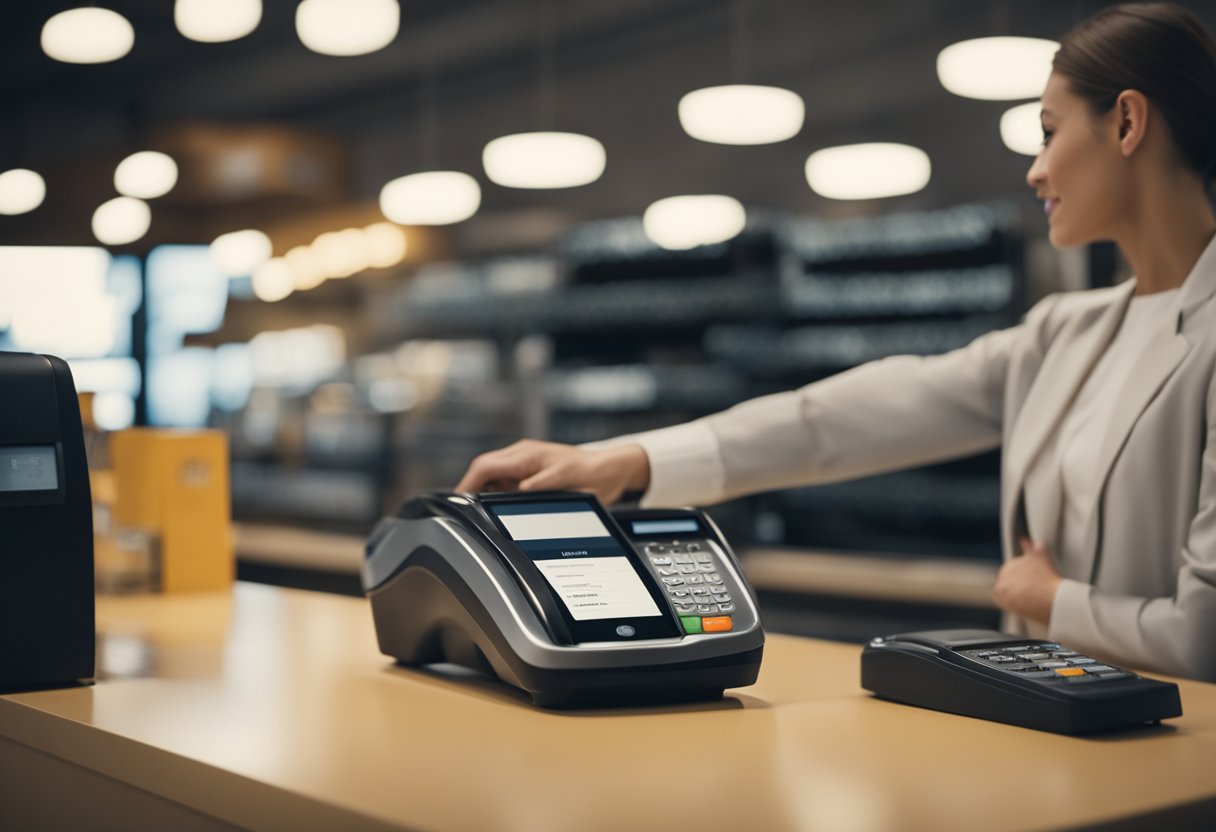
Achieving a simplified checkout involves optimizing form fields, improving payment options, and ensuring that shipping information is straightforward. Each of these elements plays a crucial role in how quickly and easily a customer can finalize their order. Businesses that prioritize these aspects are likely to see increased conversion rates and loyal customers.
Creating a seamless checkout experience is not just beneficial; it is essential in today’s competitive market. With the right approach, vendors can make each purchase effortlessly simple for shoppers, resulting in a positive impact on sales and customer retention.
Key Takeaways
- A streamlined checkout process reduces cart abandonment rates.
- Optimizing form fields enhances user experience.
- Improved payment and shipping options increase conversion rates.
Understanding the Checkout Process
The checkout process is a critical aspect of online shopping that directly impacts conversion rates. Simplifying this process can lead to increased customer satisfaction and reduced cart abandonment. Key elements include the flow of actions a customer takes to complete a purchase and the significance of each step in the user’s experience.
Key Components of Checkout Flow
The checkout flow consists of several key components that shape the user experience. These components include:
- Shopping Cart Review: Customers review their selected items, can edit quantities, and remove unwanted products.
- Shipping Information: Collecting delivery details, including address and preferred shipping options.
- Payment Processing: Options for payment methods such as credit cards, PayPal, or digital wallets.
- Order Confirmation: A summary of the order that allows customers to review before finalizing the purchase.
Each component must be intuitive and user-friendly. Streamlining these stages can minimize confusion and enhance the overall purchasing experience.
Importance of Checkout Simplification
Simplifying the checkout process is essential for reducing cart abandonment and increasing sales. A complex or lengthy checkout can frustrate users, leading them to abandon their purchases.
- User Experience: A simplified process leads to a more enjoyable shopping experience.
- Time Efficiency: Quick transactions encourage users to complete purchases without unnecessary delays.
- Mobile Optimization: Many customers shop via mobile devices. A straightforward checkout ensures accessibility and ease of use on smaller screens.
Investing in simplification can yield significant returns in customer loyalty and repeat business.
Streamlining the User Interface
A streamlined user interface significantly enhances the checkout experience. Focusing on clarity and speed reduces friction, making it easier for customers to complete their purchases.
Designing for Clarity and Speed
Design elements should prioritize user comprehension. Clear labels and succinct instructions guide users through each step.
Key design strategies include:
- Consistent Layout: Uniform placement of buttons and information creates familiarity, helping users navigate easily.
- Visual Hierarchy: Utilize size, color, and spacing to emphasize important actions, such as the “Proceed to Checkout” button.
Reducing clutter is equally vital. A minimalist interface minimizes distractions, allowing users to focus on essential tasks. Choosing readable fonts and appropriate contrast will improve accessibility. By presenting information logically and removing unnecessary steps, the checkout process can feel swift and straightforward.
Utilizing Progress Indicators
Progress indicators keep users informed of their checkout status. A simple visual cue can significantly enhance the experience by reducing uncertainty.
Effective methods include:
- Progress Bars: Show users where they are in the process, visually mapping out the steps remaining.
- Step Labels: Clearly label each phase, such as “Shipping Information” or “Payment Details,” ensuring users understand what is required.
This transparency helps alleviate anxiety about the duration of the process. Users are more likely to complete their transactions when they see a clear path to completion. In addition, offering the ability to return to previous steps without losing entered information can improve user confidence and satisfaction.
Optimizing Form Fields
Streamlining the checkout process necessitates careful attention to form fields. Effective optimization can reduce user frustration and enhance conversion rates. This involves minimizing required fields and leveraging technology to simplify data entry.
Reducing Input Requirements
Limiting the number of required fields is crucial to improving user experience. Analyzing each form field helps identify which are necessary for processing orders. Fields such as “middle name” or “company name” can often be made optional.
Using fewer fields minimizes the cognitive load on users. A simple checklist can help determine essential fields. For example:
- Email Address: Required
- Shipping Address: Required
- Phone Number: Optional
This approach not only speeds up the checkout process, but also lowers the chances of cart abandonment. Keeping forms concise increases the likelihood of completion.
Implementing Autofill and Smart Defaults
Autofill features significantly enhance the checkout experience. By enabling the browser to automatically populate fields, users spend less time entering repetitive information. This can lead to higher conversion rates.
Smart defaults can also streamline the process. For instance, pre-selecting shipping options based on user location saves time. Implementing technology solutions like:
- Geolocation for Address Input
- Saved Payment Methods
These enhancements create a seamless experience. Encouraging users to opt-in for saved preferences can foster loyalty and repeat purchases.
Improving Payment and Shipping
Efficient payment and shipping processes are critical for enhancing the customer experience. This section discusses the importance of offering diverse payment options and optimizing shipping methods.
Integrating Multiple Payment Options
Offering a variety of payment methods can cater to different customer preferences and improve conversion rates. Popular options include:
- Credit and Debit Cards: These are the most commonly used payment forms.
- Digital Wallets: Services like PayPal, Apple Pay, and Google Pay provide quick transactions.
- Buy Now, Pay Later: Options such as Afterpay or Klarna appeal to budget-conscious consumers.
Integrating these methods can reduce cart abandonment. Ensuring security through encryption is crucial, as customers prioritize data protection during transactions.
Streamlining Shipping Options
Streamlined shipping enhances customer satisfaction and reduces delays. Offering multiple shipping choices is essential. Key options include:
- Standard Shipping: Cost-effective but slower, suitable for customers not in a hurry.
- Express Shipping: Ideal for urgent deliveries, though typically more expensive.
- Local Pickup: Allows customers to save on shipping fees by collecting orders directly.
Clearly displaying shipping costs and estimated delivery times can build trust. Consider partnerships with reliable carriers to ensure timely delivery. Regular updates on shipping status also keep customers informed, further improving their experience.
Frequently Asked Questions
This section covers common inquiries related to simplifying checkout steps in ecommerce and offers clear insights into optimizing the process for better user experience and higher conversion rates.
How can the number of steps in an ecommerce checkout process be reduced for better conversion?
Reducing checkout steps can be achieved by implementing a one-page checkout system. This allows users to enter all necessary information without navigating through multiple pages. Streamlining the required fields and allowing guest checkout also contributes to a faster, less complicated process.
What are some effective checkout flow optimization strategies for online stores?
Effective strategies include minimizing form fields and enabling autofill options. Offering various payment methods and simplifying account creation are essential. A progress indicator can also help keep customers informed about their checkout status.
In what ways can user interface improvements enhance the checkout experience?
User interface improvements can significantly boost user satisfaction. Clear labeling of fields, intuitive design, and responsive elements ensure users can navigate the checkout process smoothly. Providing visual cues and error messages aids in guiding users through necessary corrections.
What elements should be included in an ecommerce checkout page template to streamline purchases?
An effective checkout page template should include concise product summaries, clear pricing details, and shipping options. Prominent call-to-action buttons facilitate easy navigation, while security trust signals help reassure customers during the transaction process.
Can you describe a seamless hotel checkout process model?
A seamless hotel checkout process often features express check-out options, allowing guests to settle their bills electronically. Digital invoices sent via email and the ability to review charges on a mobile device streamline the experience. This model prioritizes efficiency and customer convenience.
What are the best practices for designing an ecommerce checkout flow to reduce cart abandonment?
Best practices include providing a guest checkout option, reducing required fields, and displaying total costs upfront. Sending cart abandonment emails can also gently remind customers to complete their purchases. Regularly testing and analyzing checkout flow allows identification of potential friction points.

Guy has been building websites and helping companies online for over 15 years. He has worked in the jewelry industry for close to 30 years now. As the CEO of Jewelry Store Marketers, Guy leads the company to provide excellent services in website design and development, search engine optimization and more.


