


Secure Payment Gateways: Ensuring Safe Transactions for Your Business
Secure payment gateways are essential for protecting sensitive financial information during online transactions. A trustworthy payment gateway ensures that both merchants and consumers can conduct business with confidence and peace of mind. With the rise of e-commerce, understanding the fundamentals of payment gateway security has never been more crucial.

As cyber threats become increasingly sophisticated, choosing a secure payment gateway is vital for safeguarding user data. Implementing effective risk management strategies and staying updated on technological advancements can greatly enhance security measures. By following best practices, businesses can create a safer online environment that benefits everyone involved.
Key Takeaways
- Secure payment gateways protect sensitive financial data during transactions.
- Businesses must adopt risk management strategies to enhance security.
- Staying informed on technological advancements is crucial for maintaining payment safety.
The Essentials of Payment Gateway Security
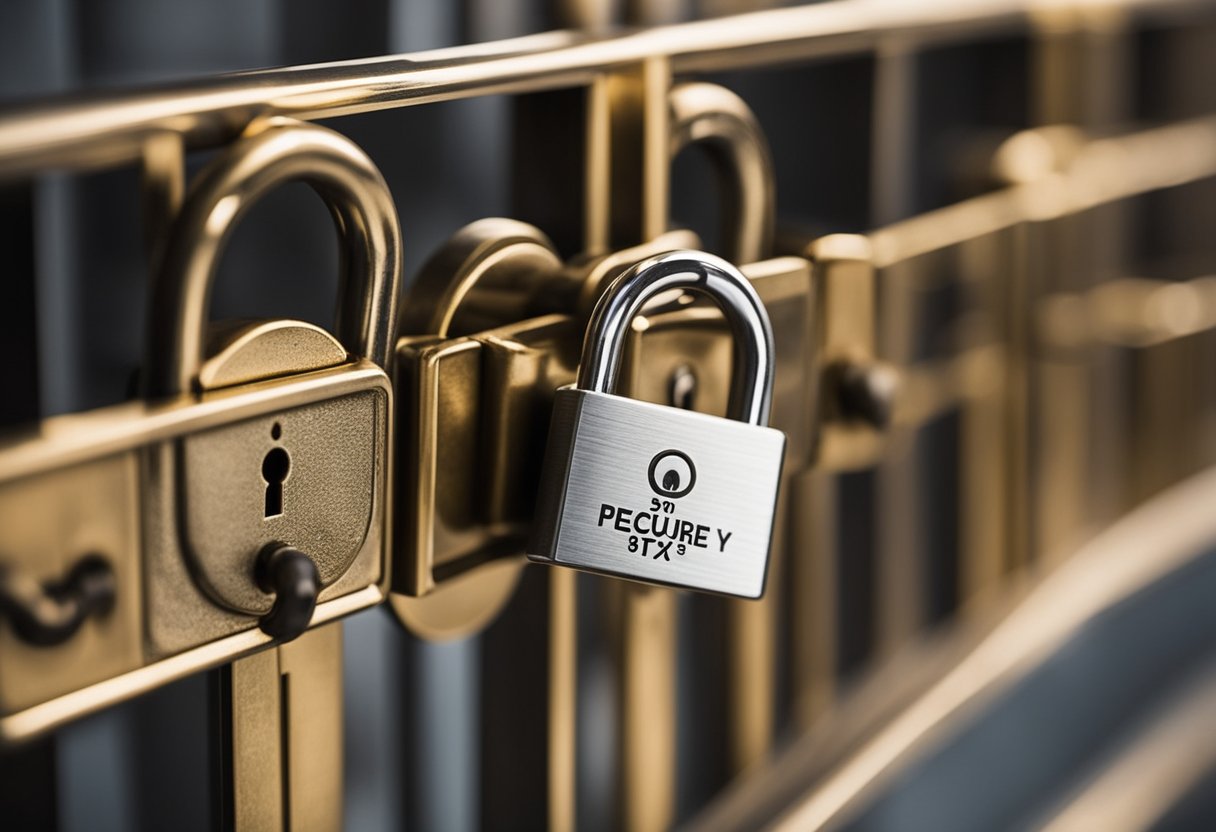
Payment gateway security is critical to protect sensitive financial data during transactions. Understanding the functionality, security protocols, and the roles of encryption and tokenization forms the foundation of a secure payment system.
Understanding Payment Gateway Functionality
Payment gateways serve as intermediaries between the consumer and the merchant’s bank. They facilitate online transactions by capturing payment data, encrypting it for security, and transmitting it to the acquiring bank for authorization.
The main functions include:
- Data Encryption: This ensures sensitive information is protected during transmission.
- Fraud Prevention: Gateways often employ tools to detect and prevent fraudulent activities.
- Transaction Reporting: They provide insights into transaction statuses, which helps businesses manage finances.
Understanding this functionality is vital for ensuring the integrity and security of transactions.
Security Protocols and Compliance Standards
Payment gateways must adhere to industry standards for security. The Payment Card Industry Data Security Standard (PCI DSS) outlines important requirements to protect cardholder data.
Key compliance components include:
- Data Protection: Secure storage of sensitive data and regular security scans.
- Access Control Measures: Limiting access to sensitive data to authorized personnel only.
- Monitoring and Testing: Regularly checking network security and vulnerability assessments.
Compliance with these standards is essential not only for legal reasons but also for building customer trust.
The Importance of Encryption and Tokenization
Encryption and tokenization are vital techniques used to protect payment data.
- Encryption transforms sensitive information into an unreadable format for unauthorized users. Only those with the decryption key can access it.
- Tokenization replaces sensitive data with a unique identifier. This means that even if data is intercepted, it cannot be used without the corresponding tokenization system.
Both methods significantly reduce the risk of data breaches and fraud during transactions. Implementing robust encryption and tokenization practices is fundamental for secure payment gateways.
Choosing a Secure Payment Gateway
Selecting a secure payment gateway is crucial for protecting customer transactions and safeguarding sensitive data. Evaluating security features, comparing providers, and integrating gateways with e-commerce platforms will guide the decision-making process.
Assessment of Security Features
When assessing security features in payment gateways, consider these important aspects:
Encryption: Ensure the gateway uses advanced encryption protocols such as SSL or TLS to protect data during transmission.
Compliance: Verify that the provider is PCI DSS compliant. This standard ensures that all companies that accept payment cards maintain a secure environment.
Fraud Detection: Look for features like anti-fraud tools and chargeback protection. These can identify and mitigate fraudulent transactions.
Two-Factor Authentication (2FA): This adds an extra layer of security by requiring users to provide two forms of identification.
Regular Updates: A reliable gateway continuously updates its security measures to counter emerging threats.
Comparison of Top Payment Gateway Providers
Comparing leading payment gateway providers can help identify the most suitable option. Focus on these criteria:
| Provider | Transaction Fees | Security Features | Customer Support |
|---|---|---|---|
| PayPal | 2.9% + $0.30 | PCI compliance, 2FA, encryption | 24/7 support |
| Stripe | 2.9% + $0.30 | Advanced fraud detection, encryption | Email & Chat support |
| Square | 2.6% + $0.10 | PCI compliant, chargeback protection | 24/7 support |
| Authorize.Net | 2.9% + $0.30 | Robust fraud detection tools | 24/7 support |
Each provider has its own strengths, and understanding these differences can aid businesses in choosing the best fit for their requirements.
Integrating Gateways with E-Commerce Platforms
Integration is a key factor in choosing a payment gateway. Consider the following when evaluating integration capabilities:
Compatibility: Ensure that the payment gateway is compatible with the chosen e-commerce platform. Most major platforms support popular gateways.
Ease of Integration: Look for gateways with straightforward APIs that simplify the integration process. This reduces technical challenges and time spent on implementation.
Technical Support: Choose a payment gateway provider that offers strong technical assistance during the integration process. Access to documentation and responsive customer service can facilitate smooth setup.
Customizability: Some gateways allow merchants to customize the checkout experience to align with their brand. This can enhance user experience and retention.
By focusing on these elements, businesses can choose a payment gateway that aligns with their operational needs while maintaining security standards.
Risk Management Strategies
Effective risk management is crucial for secure payment gateways. Key strategies include preventing fraud, implementing real-time monitoring, and conducting regular security audits. Each approach helps to mitigate risks associated with online transactions.
Preventing Fraud and Chargebacks
To combat fraud, payment gateways utilize various techniques and technologies. One effective method is address verification service (AVS), which checks the billing address provided by the customer against that on file with the card issuer.
Additionally, CVV verification helps ensure that the customer possesses the physical card during the transaction.
Implementing machine learning algorithms can identify suspicious patterns in transaction behavior, adapting to new fraud techniques.
By employing advanced fraud detection tools and requiring verification steps, businesses can significantly reduce the incidence of chargebacks and fraudulent activities.
Real-Time Transaction Monitoring
Real-time transaction monitoring plays a vital role in identifying potentially fraudulent activities as they occur. This system employs algorithms that analyze transaction data instantly, flagging unusual patterns or high-risk transactions for further investigation.
By utilizing parameters such as transaction value, geographic location, and user behavior, payment gateways can proactively address suspicious activities before they escalate.
Prompt alerts to both the merchant and the customer enable quick action, such as requesting additional verification or blocking transactions altogether. This proactive approach not only protects financial assets but also enhances customer trust and satisfaction.
Regular Security Audits and Compliance Checks
Conducting regular security audits and compliance checks is essential for maintaining the integrity of a payment gateway. These audits assess the effectiveness of existing security measures and identify vulnerabilities.
Key elements of these audits include reviewing encryption protocols, ensuring compliance with regulations like PCI DSS, and testing for potential points of weakness in the system.
Moreover, penetration testing can simulate attacks, allowing organizations to discover and rectify vulnerabilities before they can be exploited.
By maintaining a robust security posture, payment gateways can reassure customers and stakeholders, fostering trust and safeguarding sensitive information.
Technological Advancements in Payment Security
Recent innovations in payment security have significantly enhanced the protection of financial transactions. These advancements include biometric authentication, blockchain technology, and the application of artificial intelligence, all of which contribute to a safer digital payment landscape.
Biometric Authentication Technologies
Biometric authentication technologies use unique physical characteristics to verify an individual’s identity during transactions. Common forms include fingerprint recognition, facial recognition, and iris scanning.
These methods offer a higher level of security compared to traditional passwords or PINs, which can be stolen or forgotten. Biometric systems are often combined with multi-factor authentication, making unauthorized access much more difficult.
Implementing these technologies can also improve user experience by providing quicker and more convenient transaction approvals. As biometric data becomes increasingly integrated into payment systems, concerns about privacy and data protection remain pivotal.
Blockchain and Payment Security
Blockchain technology has transformed the realm of payment security by providing a decentralized ledger for transactions. Each transaction is recorded in a block, which is linked to the previous block, creating a secure and transparent chain.
The use of cryptographic principles ensures that transactions cannot be altered once confirmed. This level of security minimizes the risk of fraud and allows for lower transaction costs due to the elimination of intermediaries.
Furthermore, blockchain’s capability for real-time transaction validation enhances efficiency. As more businesses adopt blockchain, its potential to prevent chargebacks and fraud will continue to reshape the payment landscape.
The Role of Artificial Intelligence
Artificial intelligence (AI) plays a crucial role in enhancing payment security by analyzing transaction patterns and detecting anomalies. Machine learning algorithms can identify unusual behavior in real-time, flagging potential fraud.
AI systems continuously learn and adapt, improving their detection accuracy over time. This proactive approach enables financial institutions to mitigate risks before they escalate into larger security breaches.
In addition, AI can streamline the customer experience by automating fraud detection processes, reducing the need for manual reviews. This efficiency not only protects consumers but also helps businesses operate more effectively.
Best Practices for Merchants and Consumers
Merchants and consumers play crucial roles in maintaining secure payment transactions. Implementing specific practices can significantly reduce risks associated with digital payments.
Securing Customer Data
Protecting customer data is essential for maintaining trust and compliance. Merchants should utilize encryption protocols, such as SSL/TLS, to secure data transmitted during transactions. This ensures that sensitive information, including credit card numbers and personal details, is not intercepted by unauthorized parties.
Regularly updating software and systems is vital. Merchants must apply security patches promptly to protect against vulnerabilities. Using firewalls and monitoring tools can help detect and mitigate potential threats, while secure storage methods for sensitive data further minimize risks.
Consumers should also take steps to protect their information. Using strong, unique passwords for accounts and monitoring statements for unauthorized transactions are effective practices. Additionally, enabling two-factor authentication adds another layer of security.
Implementing Strong Access Controls
Effective access control measures are critical for safeguarding payment systems. Merchants should implement role-based access controls (RBAC) to ensure employees have access only to information necessary for their duties. This limits exposure of sensitive data.
Regular audits of access permissions are necessary to maintain security. Merchants should routinely review who has access to payment systems and data. Revoking access for former employees or those with changed roles is essential to reduce risks.
For consumers, awareness of access points is important. Avoiding public Wi-Fi for transactions and logging out from accounts after use can help ensure that unauthorized individuals cannot access personal information.
Educating Staff and Customers on Security
Education is a cornerstone of effective security practices. Merchants should organize training sessions for staff, focusing on recognizing phishing attempts and understanding safe transaction processes. Employees should know how to handle customer data and the importance of reporting suspicious activities.
Consumers need thorough education on security as well. Clear communication regarding safe online practices, like recognizing secure websites and avoiding sharing personal information, is necessary. Merchants can provide guides or tips on their platforms to enhance customer awareness and confidence.
Strengthening both merchant and consumer understanding creates a partnership that fortifies the payment ecosystem against risks.
Frequently Asked Questions
Secure payment gateways play a crucial role in facilitating safe online transactions. Understanding their features, security measures, and available options can help businesses and consumers make informed decisions.
What are the features of a secure payment gateway?
Secure payment gateways often include features such as encryption, fraud detection, and tokenization. These elements work together to protect sensitive information during transactions. Additionally, they provide support for multiple payment methods and offer a user-friendly interface.
How does a payment gateway protect credit card transactions?
Payment gateways protect credit card transactions through sophisticated encryption techniques. This process converts sensitive data into unreadable code before it is transmitted. Furthermore, they monitor transactions for fraudulent activity, minimizing the risk of unauthorized access.
What are the differences between various types of payment gateways?
Different types of payment gateways include hosted, self-hosted, and API-based solutions. Hosted gateways redirect customers to a secure page for transactions, while self-hosted solutions integrate directly into the business’s website. API-based gateways offer more flexibility but require advanced technical knowledge.
Which payment gateway offers the best security features for online transactions?
Various payment gateways are recognized for their strong security features. Options such as PayPal, Stripe, and Authorize.Net provide comprehensive security measures, including PCI compliance and fraud detection tools. The best choice may vary based on specific business needs and transaction volumes.
How can consumers identify if an online payment gateway is secure?
Consumers can identify a secure payment gateway by looking for SSL certificates and trust seals on the payment page. Additionally, secure gateways typically have clear privacy policies and are compliant with PCI standards. Checking customer reviews can also offer insight into the gateway’s security reputation.
What are the top secure payment gateway options available in the USA?
Some of the top secure payment gateway options in the USA include Square, PayPal, and Braintree. All of these platforms are known for their robust security features and user-friendly interfaces. Businesses may choose based on transaction fees, integration capabilities, and customer support.

Guy has been building websites and helping companies online for over 15 years. He has worked in the jewelry industry for close to 30 years now. As the CEO of Jewelry Store Marketers, Guy leads the company to provide excellent services in website design and development, search engine optimization and more.


