


Understanding How Store Location Influences Jewelry Prices: Key Factors and Insights
The location of a jewelry store plays a significant role in determining the prices of its products. Factors such as local demand, competition, and overhead costs directly impact pricing strategies. Understanding these elements can empower consumers to make more informed purchasing decisions.
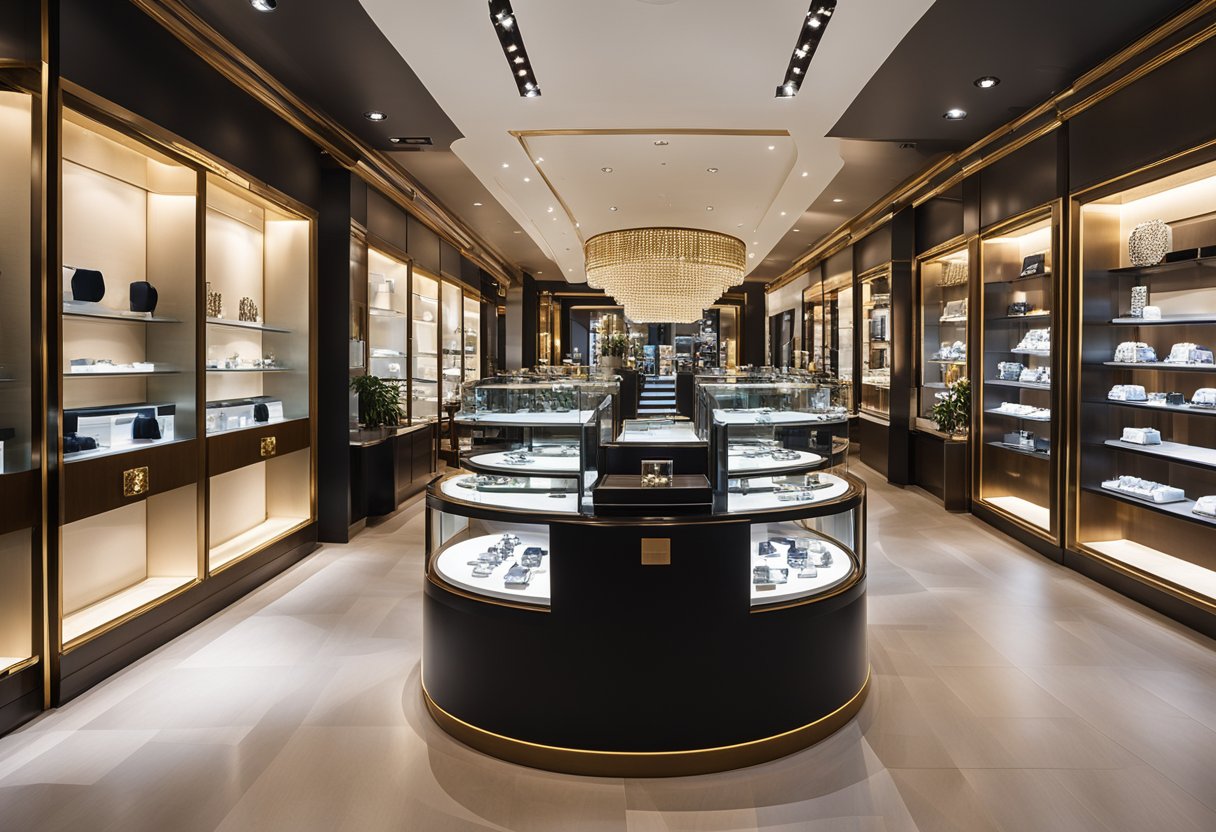
Jewelry buyers often overlook how geographical factors can affect the cost of pieces they wish to buy. By examining various store locations, one can gain insight into the price variations that stem from urban versus rural settings, luxury districts, and the influence of nearby competitors.
Awareness of these pricing dynamics not only helps consumers navigate their options but also aids jewelry retailers in adjusting their strategies to remain competitive.
Key Takeaways
- Store location significantly affects jewelry pricing.
- Local demand and competition influence market costs.
- Understanding these factors aids consumers in making informed choices.
Factors Influencing Jewelry Prices
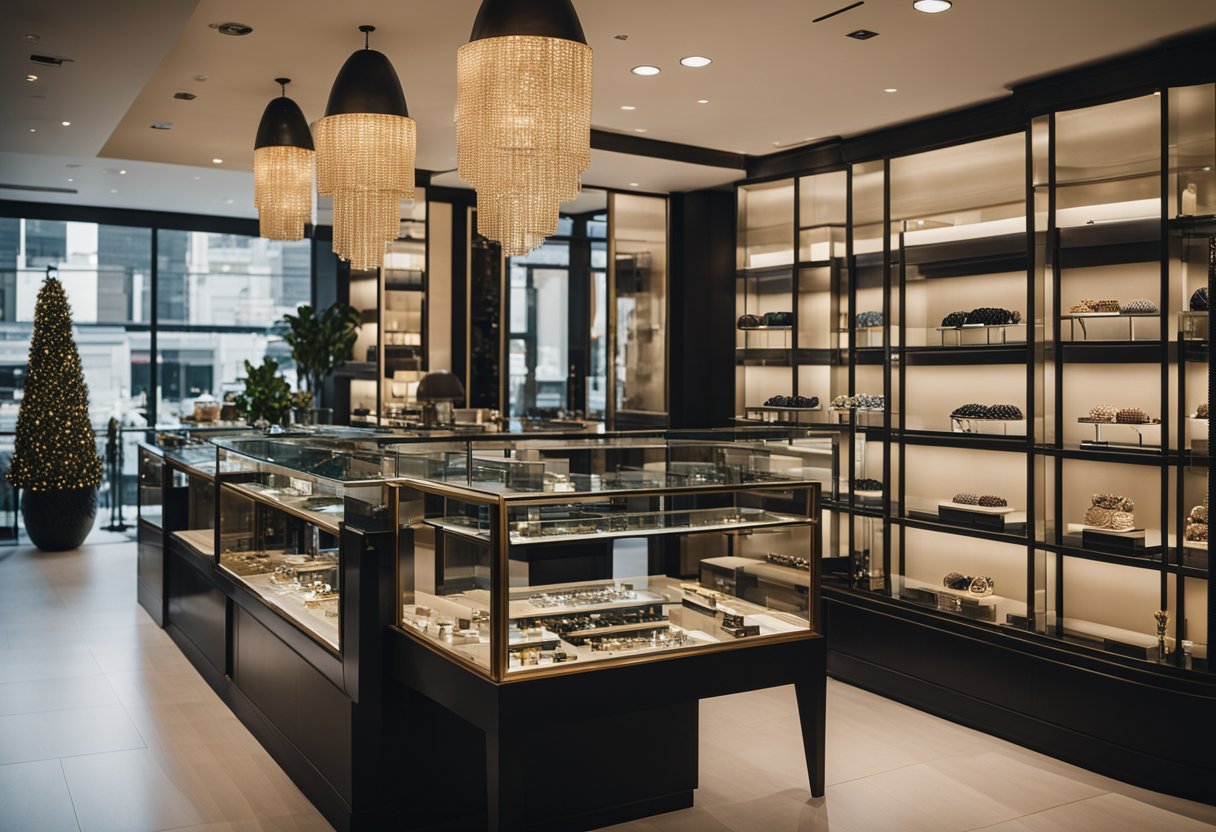
Multiple aspects contribute to the pricing of jewelry. Economic conditions, consumer demographics, and lease expenditures for commercial spaces are significant factors that shape how much consumers pay for jewelry.
Economic Geography
Economic geography plays a critical role in determining jewelry prices. Areas with higher disposable incomes tend to support higher price points due to demand for luxury items. Cities known for tourism may see inflated prices due to an influx of visitors eager to purchase unique pieces.
Furthermore, local economies that are thriving may allow jewelers to increase prices, reflecting the purchasing power of their customer base. Conversely, in regions facing economic challenges, prices may stabilize or decrease to attract buyers. Therefore, geography and economic activity directly affect pricing strategies.
Consumer Demographics
Consumer demographics significantly influence jewelry pricing. Factors such as age, income, and cultural background determine customer preferences and spending habits. Luxury items may attract older demographics with greater financial security, while younger consumers often seek value and trendiness.
Moreover, cultural factors can dictate preferences for certain types of jewelry. For example, communities that value traditional designs may have higher demand for specific styles, which can drive up prices in those areas. Understanding these demographic trends helps jewelers tailor their offerings and pricing.
Commercial Lease Costs
Commercial lease costs can also impact jewelry prices. Jewelers located in high-rent districts often pass those expenses onto consumers. Urban areas with high foot traffic typically charge more for leasing space, reflecting in the final price of products.
Conversely, jewelers in less expensive areas can afford to offer lower prices, making their products more accessible. Lease costs vary significantly by location, and jewelers must consider these expenses when setting prices. This dynamic creates a direct correlation between rent and pricing structures.
Store Location Dynamics
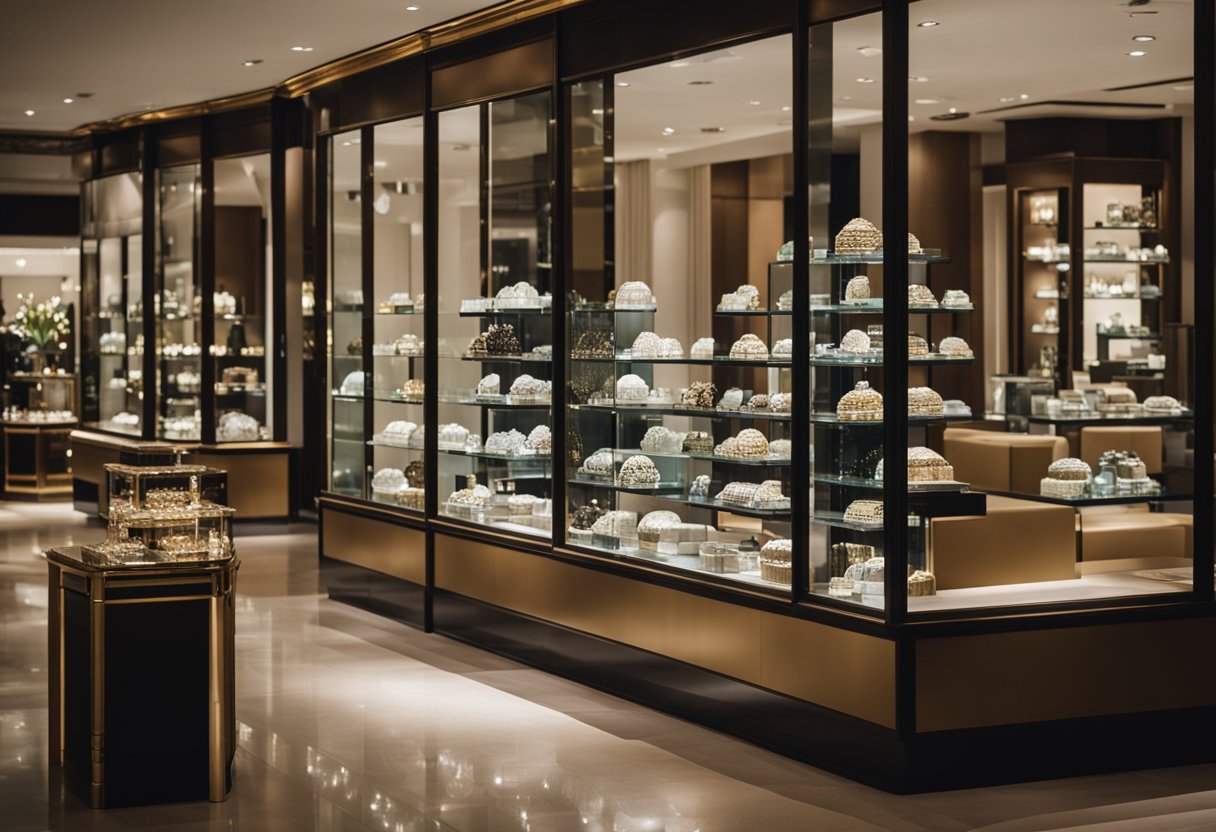
The dynamics of store location play a critical role in determining jewelry prices. Factors such as accessibility, market competition, and brand visibility significantly impact how consumers perceive value.
Traffic and Accessibility
High foot traffic areas tend to drive jewelry prices higher. Locations near popular shopping districts, tourist attractions, or heavy pedestrian zones attract more potential customers. This increased visibility can lead to greater sales volume, which influences pricing strategies.
On the other hand, hard-to-access locations may deter customers, leading to lower prices to incentivize sales. Convenience also matters; proximity to public transportation can enhance accessibility, influencing consumer choice. Jewelry retailers in easily accessible locations often benefit from premium pricing.
Competition and Exclusivity
The level of competition can either drive prices down or allow for premium pricing based on exclusivity. In areas saturated with jewelry stores, competitive pricing becomes essential to attract customers. Retailers often implement strategic marketing techniques to differentiate their offerings.
Conversely, locations with fewer competitors allow businesses to set higher prices due to a lack of alternatives for consumers. Exclusive neighborhoods can create a perception of luxury, allowing retailers to establish higher price points based on unique product offerings.
Brand Visibility and Prestige
Store location can enhance brand visibility, impacting perceived value. Jewels displayed in upscale, high-traffic areas often garner attention from affluent customers. This visibility contributes to brand prestige, allowing retailers to charge higher prices effectively.
Additionally, partnerships with local businesses or participation in community events can increase exposure. A prominent store location may lead to collaborations with other luxury brands, further establishing authority in the market. As a result, jewelry prices often reflect the store’s visibility and the prestige associated with its location.
Price Setting Strategies
Price setting strategies are crucial for jewelry retailers. These strategies inform how prices are determined and can directly impact sales, profit margins, and customer perceptions. Various approaches can be tailored to meet the specific needs and market conditions of a store.
Cost-Plus Pricing
Cost-plus pricing involves calculating the total costs of creating a piece of jewelry and adding a markup to determine the final price. This method ensures that all costs, including materials, labor, and overhead, are covered.
For example, if a ring costs $150 to produce, a retailer might apply a 50% markup, resulting in a selling price of $225. This strategy is straightforward and provides retailers with a predictable profit margin.
It is commonly used in jewelry due to the variability of production costs. However, it may not always align with market demand, which could lead to pricing that is too high or too low compared to competitors.
Competitive Pricing
Competitive pricing considers the prices set by competitors in the local market. This strategy requires retailers to analyze competitor prices and adjust their own accordingly.
For instance, if most local jewelers sell diamond necklaces for $1,200, a retailer might price their necklaces slightly lower or match the price to attract customers. This approach helps maintain competitiveness in a crowded market.
Retailers can also use promotional pricing strategies, offering discounts or sales to draw in customers without permanently lowering prices. Regularly monitoring competitors is vital to adjust pricing effectively and remain attractive to potential buyers.
Psychological Pricing
Psychological pricing focuses on influencing consumer perception through pricing tactics. Jewelry retailers often utilize pricing that appears more attractive to customers.
For example, pricing an item at $299 instead of $300 can create the perception of a better deal. This method plays on consumer habits and feelings regarding money.
Luxury goods may also utilize prestige pricing, where higher prices are used to signify exclusivity and quality. This approach can enhance brand image and appeal to affluent clientele who associate higher prices with superior craftsmanship.
Effective psychological pricing requires retailers to understand their target audience’s preferences and behaviors to maximize sales potential.
Frequently Asked Questions
The pricing of jewelry is influenced by various factors related to location. These include local demand, costs associated with rent and overhead, supplier proximity, import taxes, income levels, and competition among stores.
How does local market demand affect the pricing of jewelry in different locations?
Local market demand significantly impacts jewelry pricing. In areas where consumer interest is high, prices tend to rise due to increased sales potential. Conversely, in locations with lower demand, retailers may adjust prices downward to attract buyers.
What role does the cost of rent and overhead play in the price of jewelry from store to store?
High rent and overhead costs directly influence jewelry prices. Retailers in prime locations often pass these expenses onto customers. Stores in less expensive areas might offer lower prices due to reduced operating costs.
In what way does the proximity to jewelry suppliers or manufacturing hubs influence retail prices?
Proximity to suppliers or manufacturing hubs can lower transportation costs, affecting retail prices. Stores near these hubs have quicker access to inventory and potentially better deals, allowing for more competitive pricing in the local market.
How do import taxes and duties impact the cost of jewelry in various regions?
Import taxes and duties significantly affect jewelry prices. Regions with high import costs see increased retail prices as retailers include these expenses in their pricing strategies. Areas with favorable trade policies may have more affordable options.
Can the average income level of an area’s population affect jewelry pricing strategies?
The income level of a community shapes jewelry pricing strategies. Retailers in wealthier areas may set higher price points, targeting customers with disposable income. In contrast, stores in lower-income areas often adjust prices to be more accessible to the local population.
What effect does competition among local jewelry stores have on the price points offered to customers?
Competition among local jewelry stores can lead to lower prices. When multiple retailers vie for customers, they may reduce their prices to attract buyers. This competitive landscape encourages stores to offer promotions and discounts to differentiate themselves.

Guy has been building websites and helping companies online for over 15 years. He has worked in the jewelry industry for close to 30 years now. As the CEO of Jewelry Store Marketers, Guy leads the company to provide excellent services in website design and development, search engine optimization and more.


