


The Importance of Certification and Authenticity in Jewelry Price Determination: Key Factors for Assessing Value
In the world of jewelry, the significance of certification and authenticity cannot be overstated. Understanding the role of these elements is crucial for determining accurate pricing, as they provide assurance to buyers regarding the quality and value of their purchases. As consumers become more discerning, the demand for transparency in jewelry pricing has escalated, making certification a key factor in the buying process.
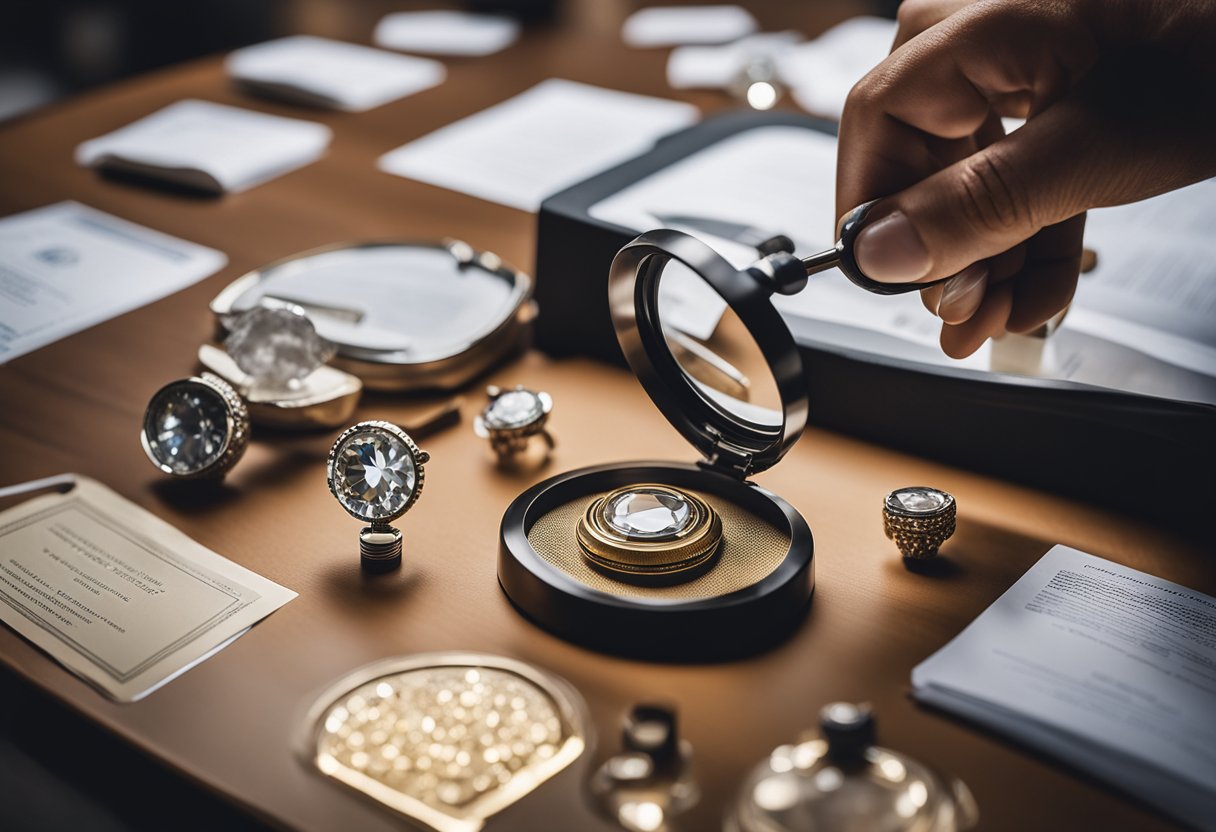
Many factors influence the valuation of jewelry, but without certification, the potential for mispricing increases significantly. Authenticity not only protects consumers but also adds value to the piece, as certified items often command higher prices in the market. This has led to increasing attention from both jewelers and buyers alike, emphasizing the need for reliable certification practices.
As the jewelry industry continues to evolve, staying informed about certification standards and authenticity verification is essential. This knowledge empowers consumers and collectors to make educated decisions, ensuring their investments are both sound and secure.
Key Takeaways
- Certification ensures the accuracy of jewelry pricing and quality.
- Authentic pieces hold greater market value and consumer confidence.
- Staying updated on industry standards is crucial for informed purchasing.
Defining Certification and Authenticity

Certification and authenticity are critical aspects of the jewelry industry. They serve as assurances of quality, origin, and value, directly influencing pricing and consumer trust.
Certification in the Jewelry Industry
Certification involves the process of verifying the quality and characteristics of a piece of jewelry. Reputable organizations provide certificates to assure buyers that the jewelry meets specific standards.
These certificates often include:
- Gemstone Grades: Information on clarity, color, and cut.
- Metal Composition: Details about metal purity (e.g., 14K, 18K).
- Origin Reports: Documentation on where gemstones or materials were sourced.
Firms such as the Gemological Institute of America (GIA) and the International Gemological Institute (IGI) are known for their rigorous evaluation processes. A certified piece tends to command higher prices due to the trust it instills in consumers.
Authenticity Standards and Measures
Authenticity determines whether jewelry is genuine or a replica. Standards are established to protect consumers from fraud and to ensure quality. This often involves aspects such as:
- Hallmarks: Stamps that indicate metal quality.
- Provenance: A documented history tracing the piece back to its origin.
- Independent Appraisal: Assessments by qualified gemologists for unbiased verification.
Consumers are encouraged to seek pieces with credible authenticity guarantees. The presence of certification and authenticity markers can significantly enhance a jewelry item’s market value.
Assessing the Impact on Jewelry Valuation
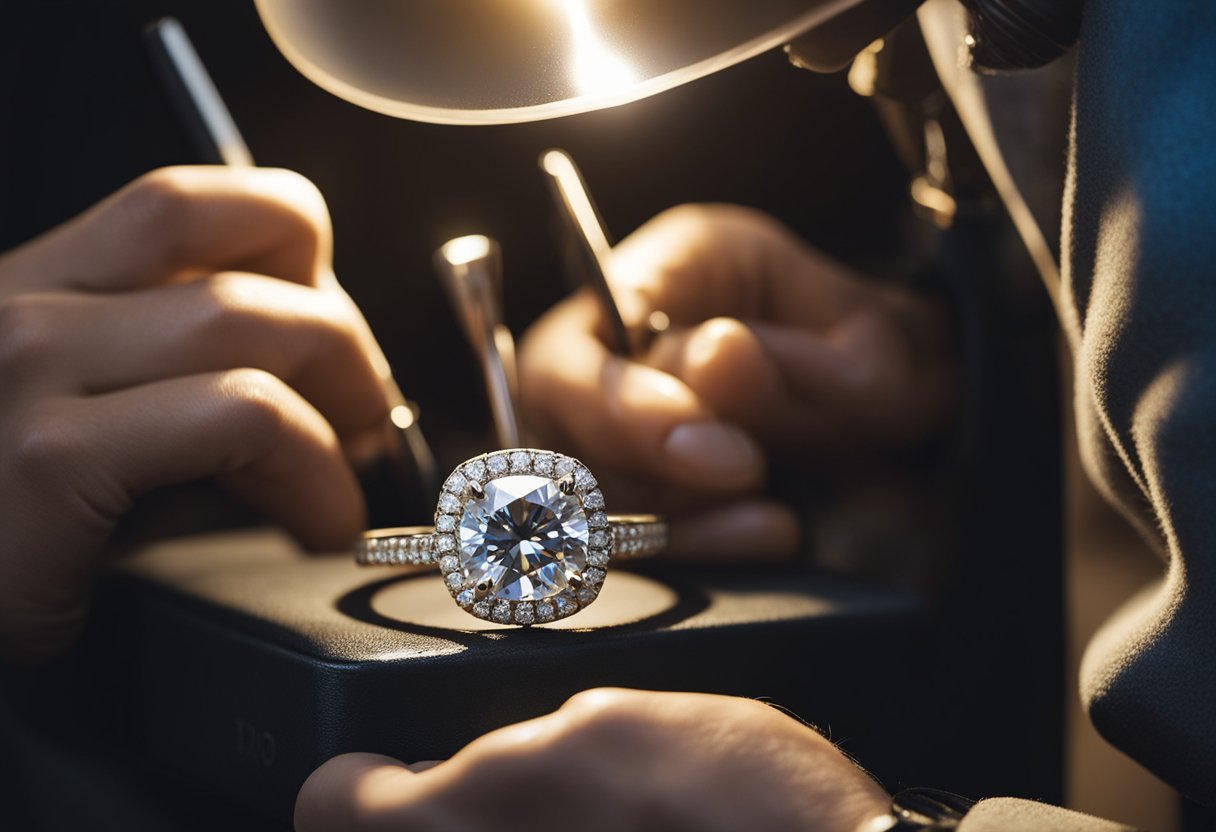
Certification and authenticity significantly influence jewelry valuation. Recognizing different valuation methods and market perceptions about authenticity can guide buyers and sellers in determining accurate prices.
Valuation Methods and Certified Jewelry
Valuation methods for jewelry often consider various factors, including materials, craftsmanship, and market demand. Certified jewelry typically undergoes assessment by an accredited gemologist or appraiser.
Key considerations in valuation include:
- Gem quality: Cut, color, clarity, and carat weight of gemstones can heavily impact value.
- Metal purity: The karat of gold or purity of platinum affects price.
- Certification: Certified pieces, especially those graded by reputable organizations like GIA or AGS, usually command higher prices.
Sellers often rely on these certifications to assure potential buyers of quality and authenticity, leading to an increased valuation compared to uncertified items.
Market Perception of Authenticity
Market perception plays a crucial role in jewelry valuation. Buyers are more inclined to invest in certified pieces due to trust in the appraisal’s credibility.
Factors influencing market perception include:
- Brand reputation: Well-known brands may see higher valuations simply due to their established trustworthiness.
- Personal experiences: Past interactions shape how buyers view jewelry authenticity.
- Peer influence: Recommendations and reviews can sway opinions, boosting demand for certified jewelry.
Authenticity impacts resale value; items with clear provenance are likely to retain or appreciate in worth, while uncertified pieces may struggle in the market.
Challenges in Certification and Verification
The process of certifying jewelry presents various challenges, particularly in detecting fraudulent certifications and adapting to rapid technological advancements. Both factors significantly impact the authenticity and trustworthiness of jewelry valuations.
Detecting Fraudulent Certifications
Fraudulent certifications pose a significant threat to the jewelry market. There are various methods employed by counterfeiters to produce fake certificates, often making it difficult for both consumers and retailers to identify them.
Key Indicators of Fraudulent Certifications:
- Inconsistent Terminology: Authentic certification often follows specific language and standards.
- Lack of Transparency: Genuine documents provide detailed information about the gemstones and their grading.
- Unverified Logos: Many fakes misuse the logos of reputable grading organizations.
Training for gemologists to recognize these signs is critical. Increasing awareness among consumers can also reduce the prevalence of fake certifications.
Technological Advancements in Verification
The jewelry industry is increasingly leveraging technology for improved certification processes. Technologies such as blockchain and artificial intelligence enhance verification accuracy and traceability.
Technological Tools in Use:
- Blockchain: Establishes an immutable record of authenticity for jewelry.
- AI-based Analysis: Helps in grading gemstones through precise algorithms.
These tools can reduce human error and enhance confidence in certification. Adapting to these advancements is essential for both manufacturers and consumers to ensure authenticity in jewelry transactions.
Future Trends in Jewelry Certification
Emerging trends in jewelry certification focus on enhancing industry standards and increasing consumer awareness. These changes shape how jewelry pieces are evaluated and authenticated.
Industry Standards Evolution
As the jewelry market evolves, certification standards are also adapting. Organizations are increasingly implementing rigorous criteria for gemological assessments. New technologies, such as blockchain, ensure enhanced traceability of materials used.
Key developments include:
- Standardized Testing Protocols: Expect more uniformity in how gems are assessed and valued across different labs.
- Environmental Standards: Certifications are likely to include sustainability metrics, reflecting consumer demands for ethically sourced materials.
With these advancements, retailers may gain a competitive edge by aligning their offerings with enhanced certification standards.
Consumer Awareness and Expectations
Consumer knowledge regarding jewelry certification is expanding. Buyers are now more informed about the importance of proven authenticity, influencing their purchasing decisions significantly.
Factors contributing to this trend are:
- Increased Access to Information: Online resources and social media educate consumers on evaluating jewelry certification.
- Demand for Transparency: Shoppers expect clear documentation on a piece’s history, value, and sourcing.
Jewelry sellers must respond to these expectations by providing accurate certifications and transparent information. This responsiveness can enhance customer trust and loyalty in a competitive marketplace.
Frequently Asked Questions
Certification and authenticity are crucial in the jewelry market. They significantly influence resale values, insurance calculations, and the overall perception of quality.
How does certification affect the resale value of jewelry?
Certified jewelry typically commands higher resale values. Certification provides potential buyers with verified information regarding quality and authenticity, making them more willing to pay a premium.
Can the absence of an authenticity certificate impact insurance valuations for jewelry?
Yes, lacking an authenticity certificate can lower insurance valuations. Insurers may assign a lower value due to uncertainties regarding the piece’s quality and legitimacy.
What is the process for getting jewelry certified?
The certification process involves submitting the jewelry to a recognized grading laboratory. Experts assess the piece’s quality, authenticity, and characteristics before issuing a detailed report.
How can a consumer verify the certification of a piece of jewelry?
Consumers can verify certification by checking the issuing body’s website or contacting them directly. Each certified piece will typically have a unique identification number linked to its report.
What are the differences between various jewelry certification bodies?
Various certification bodies differ in their grading criteria, reputation, and the detail of their reports. Some may focus more on gemstones, while others might emphasize metal quality.
In what ways does authenticity certification contribute to jewelry price determination?
Authenticity certification supports price determination by providing documented proof of a piece’s quality. This verification helps establish trust and credibility, influencing demand and pricing in the market.

Guy has been building websites and helping companies online for over 15 years. He has worked in the jewelry industry for close to 30 years now. As the CEO of Jewelry Store Marketers, Guy leads the company to provide excellent services in website design and development, search engine optimization and more.


