


Easy Ways to Check if a Jewelry Store Excels in Online SEO Practices for Successful Marketing
A jewelry store’s online presence can significantly impact its success. Many customers begin their shopping journey with a simple online search, making it essential for stores to excel in search engine optimization (SEO). Evaluating a jewelry store’s SEO practices can provide crucial insights into its online visibility and user engagement.

Understanding how to check if a jewelry store employs effective SEO can be straightforward. By assessing its website’s visibility in search results and analyzing user engagement metrics, one can determine the effectiveness of their online marketing efforts. Observing aspects such as site speed and mobile compatibility also plays a vital role in overall performance.
For those looking to make a smart purchasing decision, it’s worthwhile to investigate these elements before committing to a purchase. Awareness of SEO practices helps ensure the chosen jewelry store meets modern digital standards and can cater effectively to customers.
Key Takeaways
- Website visibility is key to attracting customers.
- User engagement metrics reveal the effectiveness of online strategies.
- Technical SEO components affect overall site performance.
Assessing the Website’s Visibility
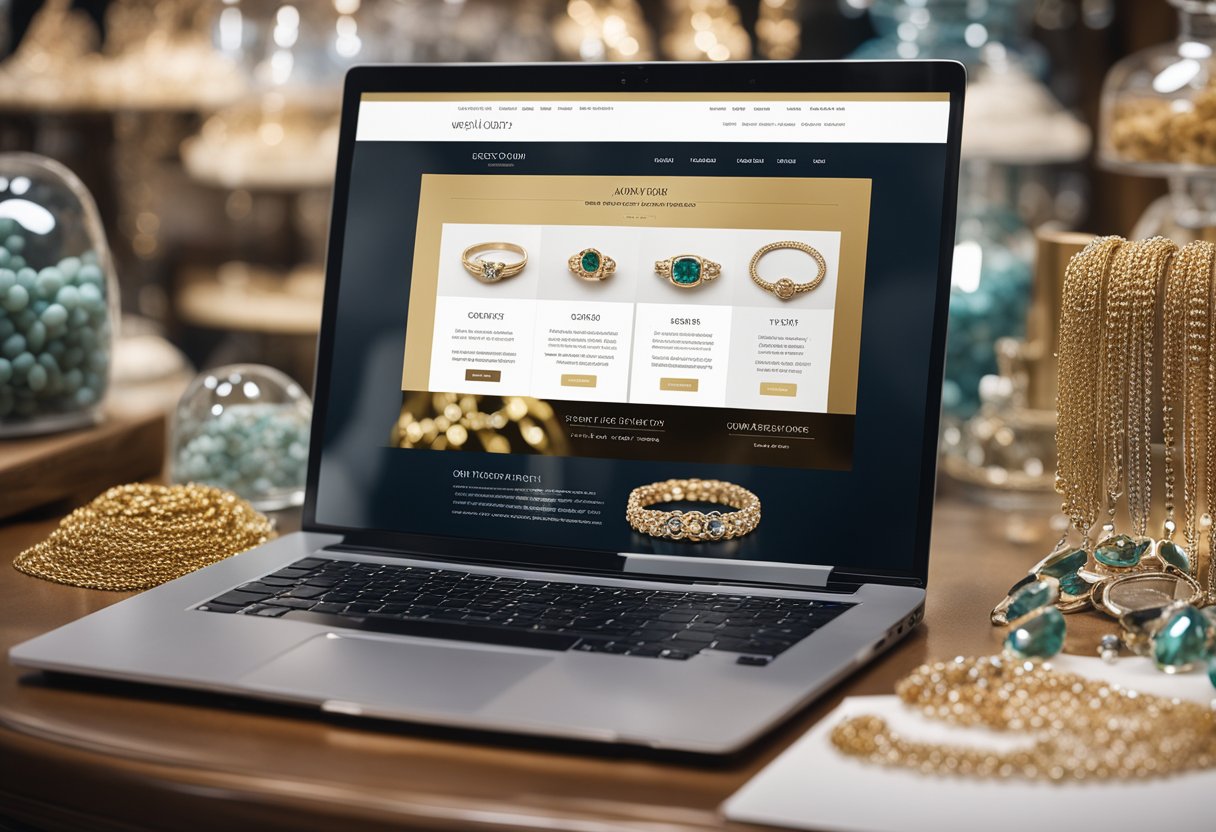
A jewelry store’s online presence is crucial for attracting potential customers. Evaluating visibility involves analyzing its search engine results positioning, keyword usage, and content quality. These factors can significantly influence a store’s effectiveness in reaching its target audience.
SERP Positioning
Search Engine Results Page (SERP) positioning indicates where a jewelry store ranks for relevant search queries. A top rank on Google can drive substantial traffic. Tools like Google Search Console or SEMrush can provide insights into the store’s rankings for specific keywords.
- A ranking on the first page is critical.
- Industry-specific keywords should yield better visibility.
Monitoring ranking fluctuations helps identify improvements or declines in SEO performance.
Use of Keywords
Keywords are essential for optimal visibility. A jewelry store should conduct thorough keyword research to find terms potential customers use. Effective integration of these keywords throughout the website—especially in titles, headings, and product descriptions—can enhance searchability.
- Long-tail keywords can attract more qualified leads.
- Keyword stuffing should be avoided; content must still flow naturally.
Incorporating location-based keywords can further improve relevance for local searches.
Quality of Content
Content quality directly affects rankings and user engagement. High-quality, informative content that addresses customer needs fosters trust and keeps visitors on the site longer. This might include blog posts, FAQs, or product guides.
- Content should be original, well-written, and engaging.
- Regular updates can signal to search engines that the site is active.
Using images and videos can also enhance user experience, making them more likely to convert into customers.
Analyzing User Engagement

User engagement metrics provide valuable insights into how effectively a jewelry store’s website attracts and retains visitors. Metrics such as bounce rate, click-through rate, and time on site can highlight the website’s strengths and areas for improvement.
Bounce Rate
Bounce rate measures the percentage of visitors who leave the website after viewing only one page. A high bounce rate can indicate that users did not find the content relevant or engaging. For a jewelry store, it’s crucial to ensure that landing pages showcase appealing visuals and clear, concise information about products.
Reducing bounce rate may involve improving page load speed, enhancing navigation, and including engaging calls-to-action. Regularly analyzing bounce rates can help identify which pages require updates to maintain visitor interest.
Click-Through Rate
Click-through rate (CTR) gauges the effectiveness of online advertisements and search engine results by measuring the ratio of users who click on links to the total number of users who view them. A higher CTR typically indicates that the ad or link resonates with the target audience.
For jewelry stores, crafting relevant meta descriptions and compelling ad copy can significantly boost CTR. Utilizing eye-catching images in ads alongside offers that entice clicks will help improve performance.
Time on Site
Time on site measures the duration visitors spend on a website. A longer time on page generally indicates that users are engaged and actively exploring content. For jewelry stores, showcasing product details, customer reviews, and styling tips can encourage longer visits.
Analyzing time on site can provide insights into which areas of the website captivate users the most. Implementing interactive content, such as virtual try-ons or style quizzes, can further enhance user engagement, leading to increased sales conversions.
Technical SEO Evaluation
A thorough technical SEO evaluation can help identify key areas impacting a jewelry store’s online visibility. Important aspects include mobile responsiveness, site speed, and URL structure. Each of these contributes to search engine rankings and user experience.
Mobile Responsiveness
Mobile responsiveness is crucial for any site, especially in the jewelry industry. A responsive design adapts to different screen sizes, ensuring that users have a seamless experience across devices.
To evaluate responsiveness, use Google’s Mobile-Friendly Test tool. Sites should pass this test without any errors. If users struggle to navigate or shop on mobile, they may abandon the site, impacting sales and search rankings.
Key features to check include:
- Fluid grids: Content should resize depending on the screen.
- Touch elements: Buttons and links must be easily clickable without zooming.
Site Speed
Site speed significantly affects user satisfaction and search rankings. A slow-loading site can lead to higher bounce rates, particularly in the competitive jewelry market.
Tools like Google PageSpeed Insights can provide insights into loading times. Aim for a load time of under 3 seconds. Factors influencing site speed include:
- Image optimization: Use compressed images without losing quality.
- Minification: Reduce CSS, JavaScript, and HTML files to speed up rendering.
Regular monitoring and optimizations help maintain ideal performance.
URL Structure
A clear and organized URL structure improves both user navigation and search indexing. Well-structured URLs enhance the discoverability of page content.
Best practices for URL structure include:
- Descriptive keywords: Use meaningful terms relevant to the jewelry offered.
- Hyphens instead of underscores: Separate words with hyphens for better readability.
A simple format may look like this: www.example.com/rings/diamond-engagement. Avoid long URLs filled with unnecessary parameters, as they can confuse users and search engines alike.
Frequently Asked Questions
This section addresses common inquiries regarding SEO practices specific to jewelry e-commerce sites. Each question explores crucial aspects of evaluating and improving search engine optimization strategies.
What are the indicators of strong SEO performance for a jewelry website?
Indicators of strong SEO performance may include high organic search rankings, increased web traffic, and a low bounce rate. Additionally, factors such as relevant keyword usage, quality backlinks, and a well-structured site contribute to positive SEO outcomes.
How can I evaluate the SEO effectiveness of my jewelry store’s website?
Evaluating SEO effectiveness can be done using tools to assess keyword rankings, organic traffic metrics, and conversion rates. Analyzing user engagement through metrics like time spent on page and return visits can also provide insights into SEO performance.
What tools can be used to analyze the SEO health of an e-commerce jewelry site?
Various tools assist in analyzing SEO health, including Google Analytics for traffic data, SEMrush for keyword tracking, and Moz for backlink analysis. Ahrefs and Screaming Frog can also provide detailed insights into site structure and optimization issues.
What metrics should I look at to assess SEO progress for my online jewelry business?
Key metrics include organic traffic growth, keyword ranking improvements, and conversion rates from search visitors. Monitoring bounce rates and page load times can also indicate how well the site retains visitors and performs in search engines.
How do I determine if the SEO strategies implemented on a jewelry website are generating traffic?
To determine if SEO strategies are effective, analyze traffic sources within Google Analytics. Look for increases in organic search traffic over time, and correlate these changes with specific SEO efforts to evaluate their impact.
What are the best practices for SEO in the jewelry e-commerce sector?
Best practices for jewelry e-commerce SEO include optimizing product descriptions with relevant keywords, using high-quality images with alt text, and ensuring a mobile-friendly design. Implementing schema markup for products and maintaining an active blog can also enhance visibility in search results.

Guy has been building websites and helping companies online for over 15 years. He has worked in the jewelry industry for close to 30 years now. As the CEO of Jewelry Store Marketers, Guy leads the company to provide excellent services in website design and development, search engine optimization and more.


