


Top Secrets for Effective Jewelry Keyword Research: Unlocking Valuable Insights for Your Business
Effective keyword research is essential for any jewelry business aiming to increase its online presence. Identifying the right keywords can drive targeted traffic to a website, improving visibility and engagement. This post will uncover top secrets that will enhance one’s approach to jewelry keyword research, leading to better website performance.

Understanding the fundamentals of keyword research is vital. With the right techniques, jewelry sellers can optimize their content, making it more relevant to their audience’s search intent. This approach not only helps in attracting potential customers but also in building a solid content strategy.
As the digital landscape evolves, utilizing effective keyword optimization techniques can set a jewelry business apart from competitors. With this knowledge, the audience will learn how to craft content that resonates with their target market and answers their needs.
Key Takeaways
- Knowing how to perform effective keyword research is crucial for online jewelry businesses.
- Utilizing the right optimization techniques enhances content discoverability.
- A strategic content approach can significantly increase audience engagement.
Fundamentals of Jewelry Keyword Research

Effective keyword research is crucial for attracting the right audience in the jewelry market. This involves understanding the motivations behind search queries and analyzing competitors to identify successful strategies.
Understanding Search Intent in Jewelry
Search intent refers to the reason behind a user’s query. In the jewelry industry, intent can vary significantly. For instance, a user searching for “engagement rings” may have an intent to purchase, while “how to clean jewelry” indicates informational intent.
Identifying the types of search intent is essential for tailoring content. Common types in jewelry include:
- Commercial Intent: Users looking to buy specific products, e.g., “buy diamond earrings.”
- Informational Intent: Users seeking knowledge or guidance, e.g., “types of gold jewelry.”
- Navigational Intent: Users wanting a specific website, e.g., “Tiffany & Co. official site.”
Understanding these intents helps in aligning keyword choices with the target audience’s needs.
Analyzing Competitors’ Keyword Strategies
Studying competitors’ keyword strategies provides insights into successful practices. Analyzing their SEO tactics reveals valuable information on keyword selection, content topics, and backlink strategies.
Tools like SEMrush or Ahrefs can be useful for this analysis. Users can identify high-ranking keywords competitors are targeting.
Key aspects to consider include:
- Keyword Gaps: Look for keywords competitors rank for that you do not.
- Content Performance: Analyze the type of content that attracts traffic.
- Backlink Sources: Identify domains linking to competitors for potential outreach opportunities.
By evaluating these factors, effective strategies can be developed to enhance visibility in search results.
Keyword Optimization Techniques for Jewelry
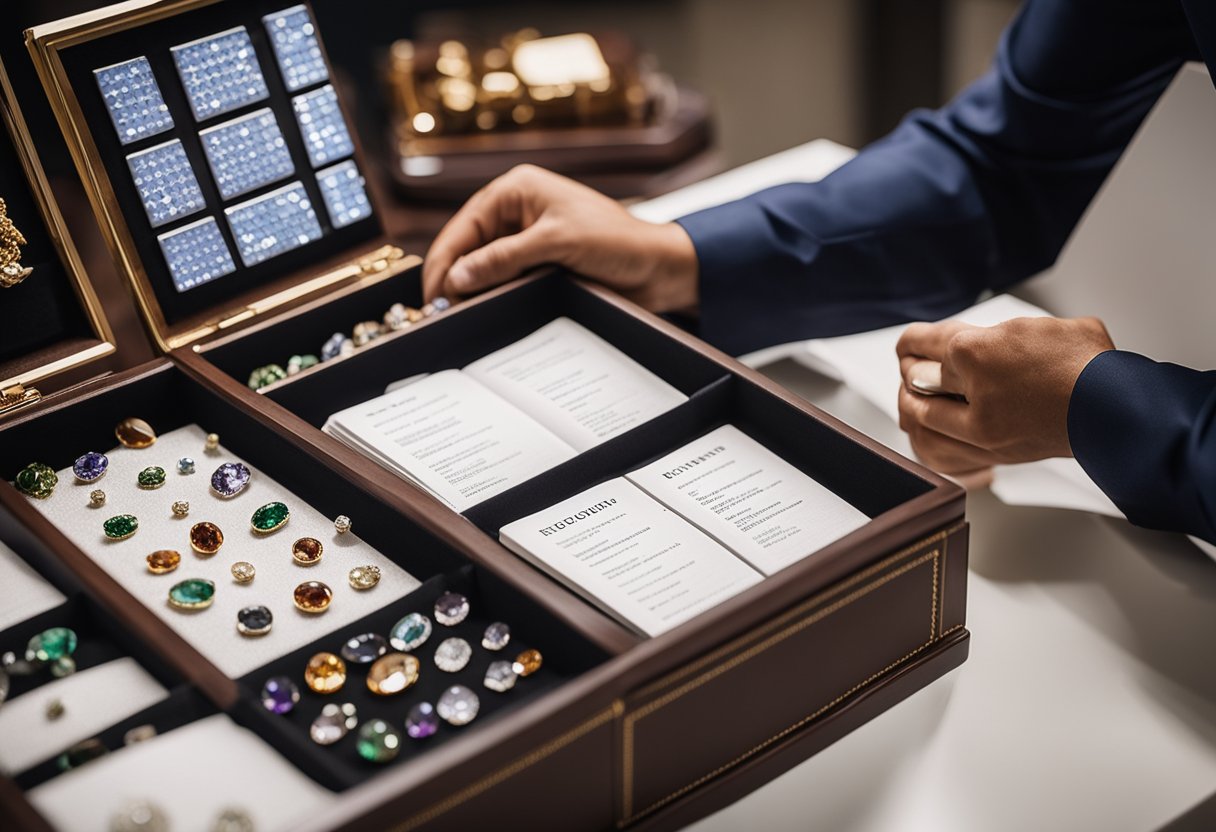
Effective keyword optimization is essential for enhancing visibility in the jewelry market. Implementing tailored strategies can significantly improve search engine rankings and attract targeted traffic.
Leveraging Long-Tail Keywords for Niche Targeting
Long-tail keywords are phrases with three or more words that target specific products or audiences. In the jewelry industry, using long-tail keywords such as “handmade silver earrings” or “ethical engagement rings” can attract customers looking for specific items.
These keywords typically have lower competition than broader terms. By incorporating long-tail keywords into product descriptions, blog posts, and meta tags, businesses can improve their chances of ranking higher on search engines.
A well-structured list can help identify effective long-tail keywords. For example:
- Handmade jewelry
- Vintage wedding bands
- Custom birthstone necklaces
By optimizing content with these keywords, jewelry brands can connect with niche audiences more effectively.
Applying SEO Tools for Keyword Discovery
SEO tools are invaluable for discovering the most relevant keywords in the jewelry space. Platforms like Google Keyword Planner, SEMrush, and Ahrefs offer insights into search volume, competition, and related terms.
Using these tools, marketers can identify trending keywords and evaluate their effectiveness. They can also perform competitor analysis to understand which keywords are driving traffic to other jewelry sites.
Implementing findings from SEO tools can lead to a more data-driven approach in keyword strategy. Marketers should focus on:
- Keyword rankings
- Search trends
- Seasonal fluctuations
Regular monitoring of keyword performance is key to adjusting strategies and maintaining a competitive edge in the market.
Content Strategy for Jewelry Keywords
A focused content strategy is essential for optimizing jewelry keywords. It involves creating valuable content and strategically integrating keywords into product descriptions and blogs. This approach enhances visibility and attracts the right audience.
Creating Valuable Content around Targeted Keywords
Developing quality content that aligns with targeted keywords is crucial. Jewelry businesses should create engaging articles, guides, and tutorials that provide value to potential customers.
For example:
- For a keyword like “engagement rings,” content can include buying guides, style tips, and ceremony ideas.
- Video content showcasing jewelry craftsmanship can also engage viewers and boost visibility on platforms like YouTube.
Utilizing visual elements such as images or infographics can support the text and enhance user experience. Regularly updating content ensures relevance, keeping it fresh for both search engines and users. This strategy builds authority and encourages sharing, augmenting reach.
Integrating Keywords into Product Descriptions and Blogs
Effective integration of keywords in product descriptions and blog posts boosts search rankings. Each product description should include relevant keywords naturally within the text.
For instance:
- A necklace description could use phrases like “handcrafted silver necklace” to rank higher for those terms.
- Bullet points highlighting features such as size, material, and style can improve readability.
In blogs, keywords should appear in the title, headers, and throughout the body content. Maintaining a balance is essential to avoid keyword stuffing, which can lead to penalties. Using related keywords and synonyms can enhance relevance while maintaining natural flow.
Frequently Asked Questions
This section addresses common inquiries related to effective keyword research for jewelry. It covers various methods, tools, and strategies to enhance SEO performance in the jewelry market.
How do I identify globally trending jewelry keywords?
To find globally trending jewelry keywords, one can utilize tools like Google Trends and social media analytics. These platforms reveal popular search queries and topics related to jewelry. Monitoring industry influencers and competitive brands is also beneficial.
What are the top-performing SEO keywords for an online jewelry store?
Top-performing SEO keywords often include specific jewelry types, materials, and styles. Terms like “diamond engagement rings,” “handmade silver necklaces,” and “vintage jewelry” may yield higher traffic. Understanding customer search intent is crucial in selecting the right keywords.
What strategies should I apply to discover effective keywords for jewelry on Instagram?
Using hashtags effectively is vital for keyword discovery on Instagram. Research popular hashtags in the jewelry niche and track engagement metrics. Additionally, engaging with follower comments can provide insight into desirable keywords.
Which online tools can provide comprehensive insights into jewelry keyword trends?
Several online tools can offer valuable insights into jewelry keyword trends. SEMrush, Ahrefs, and Ubersuggest provide keyword analysis and competitor research. These tools enable users to identify emerging trends and optimize their keyword strategy.
How can I optimize my jewelry meta descriptions for improved SEO?
Optimizing meta descriptions involves incorporating target keywords while ensuring they are engaging and informative. Each description should accurately reflect the content and entice potential customers to click. Keeping them within 150-160 characters helps maintain visibility in search results.
What are the key types of keywords I should focus on for my jewelry website’s SEO?
Focusing on a mix of short-tail and long-tail keywords is essential. Short-tail keywords attract broader traffic, while long-tail keywords cater to specific queries. Including brand names, product features, and customer motivations can enhance keyword targeting.

Guy has been building websites and helping companies online for over 15 years. He has worked in the jewelry industry for close to 30 years now. As the CEO of Jewelry Store Marketers, Guy leads the company to provide excellent services in website design and development, search engine optimization and more.


