


Why Jewelry Stores Need Strong On-Page SEO for Enhanced Visibility and Sales
Strong on-page SEO is essential for jewelry stores looking to attract and retain customers in an increasingly competitive market. Without effective on-page SEO, even the most exquisite jewelry can go unnoticed online. This comprehensive approach not only enhances visibility in search engine results but also ensures that potential buyers find an engaging and informative shopping experience.

Every detail matters in on-page SEO, from keyword optimization to the overall user experience. Jewelry stores that prioritize these elements can significantly improve their chances of being discovered by their target audience. This article will explore the critical aspects of on-page SEO and why they matter for jewelry retailers.
Implementing these SEO strategies can lead to measurable success, driving more qualified traffic and increasing conversions. Understanding these strategies empowers jewelry businesses to elevate their online presence effectively.
Key Takeaways
- On-page SEO improves search engine visibility for jewelry stores.
- Key elements include keyword optimization and user experience.
- Effective strategies lead to increased traffic and higher conversions.
The Importance of On-Page SEO for Jewelry Stores

Effective on-page SEO is crucial for jewelry stores looking to enhance their online presence. By focusing on specific strategies, they can improve search rankings, attract potential customers, and provide a better overall experience on their websites.
Enhancing Visibility in a Competitive Market
In the competitive jewelry market, strong on-page SEO techniques can significantly boost visibility. This involves optimizing title tags, meta descriptions, and header tags with targeted keywords related to jewelry, such as “engagement rings” or “custom jewelry.”
Additionally, high-quality content that includes product descriptions and informative articles can attract search engine traffic. Incorporating local SEO strategies, like optimizing for local searches with geo-specific keywords, also aids jewelry stores in reaching nearby customers searching for their products or services.
Improving User Experience and Engagement
On-page SEO also directly influences user experience. A well-structured website, with clear navigation and fast loading times, keeps visitors engaged. When users find what they’re looking for easily, they are more likely to stay on the site and make a purchase.
Using images of jewelry products with optimized alt text improves accessibility and enhances aesthetics. Furthermore, incorporating customer reviews not only boosts credibility but also increases user interaction. This engagement can lead to higher conversion rates and satisfied customers, ultimately benefiting the business.
Key Elements of On-Page SEO
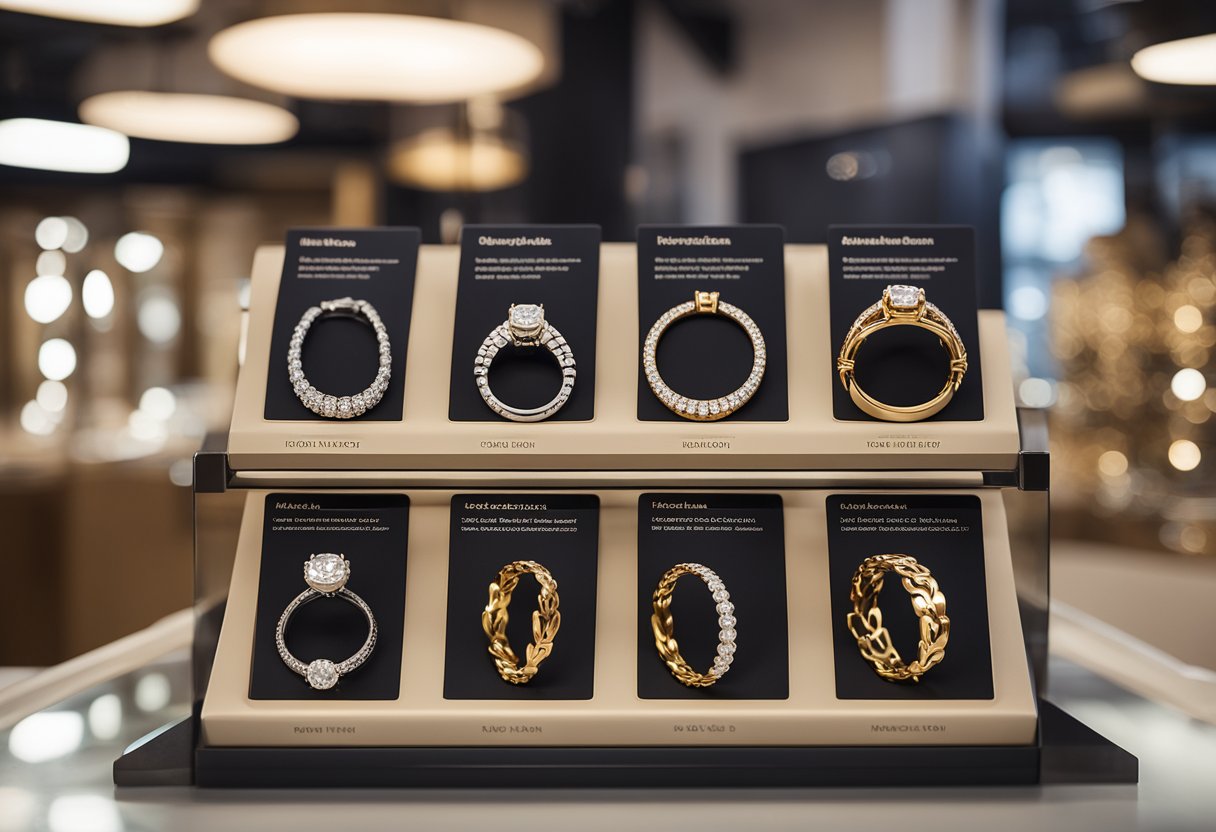
On-page SEO involves several critical components that enhance a jewelry store’s visibility and relevance online. Focusing on specific techniques can significantly improve search rankings and user engagement.
Optimizing Meta Tags for Relevance and Appeal
Meta tags act as the first impression for search engines and users alike. Titles should be concise, around 50-60 characters, and include primary keywords such as “custom jewelry” or “engagement rings.”
Meta descriptions should also be engaging and informative, keeping within 150-160 characters. They should summarize the product offerings while incorporating target keywords to entice users to click.
For example:
- Title: Custom Engagement Rings | [Store Name]
- Meta Description: Explore unique, handcrafted engagement rings. Perfect for every budget. Shop now!
Effective meta tags can foster better click-through rates, translating traffic to the website.
Utilizing High-Quality, Targeted Content
Content should focus on providing value while integrating relevant keywords. Blogs and product descriptions must be unique, informative, and appealing to customers’ interests.
High-quality content can include topics such as “trends in jewelry design” or “how to choose the right engagement ring,” making the site a useful resource.
This not only attracts visitors but also encourages them to spend more time, reducing bounce rates and improving the site’s SEO performance.
It is essential to update content regularly, showing search engines that the site remains current and relevant.
Incorporating Keywords Effectively
Keyword integration is vital in making a website discoverable. Research should identify primary and secondary keywords relevant to the jewelry niche.
Strategically, keywords can be placed in headings, subheadings, and throughout the body text. Ensuring they fit naturally within the context is crucial.
For instance:
- Primary Keyword: “handmade jewelry”
- Secondary Keywords: “artisan rings,” “custom necklaces”
Avoid keyword stuffing, which can lead to penalties. Focus on context and readability while still targeting desired phrases.
Leveraging Visuals: Images and Videos
Visual content enhances user experience and can significantly impact Google rankings. Jewelry is visual by nature, making it essential to use high-quality images of products.
Images should have optimized file names and alt tags that include keywords. For example, an image of a diamond ring could have an alt tag like “diamond engagement ring unique design.”
Videos showcasing the craftsmanship or stories behind products also add depth and engagement. This multimedia approach can keep visitors interested and encourage longer site visits, positively influencing SEO metrics.
Incorporating visuals effectively ensures a more appealing and engaging user experience.
Technical SEO Strategies for Jewelry Websites
Implementing effective technical SEO strategies is essential for jewelry websites. This ensures optimal performance, enhances user experience, and improves search engine visibility. The following subsections detail key strategies to consider.
Mobile Optimization for User Access
Mobile optimization is crucial for jewelry websites, as a significant portion of users browse on mobile devices. Responsive design automatically adjusts website layout and content based on screen size.
Key components include:
- Fluid Grids: Use percentages rather than fixed sizes to ensure images and text scale appropriately.
- Viewport Meta Tag: This instructs browsers to control the page’s dimensions and scaling.
- Touchscreen Usability: Ensure buttons and links are easy to tap, enhancing navigation.
Failing to create a mobile-friendly experience can lead to high bounce rates, negatively impacting search rankings.
Page Load Speed and Its Impact on Ranking
Page load speed is a critical factor for both user experience and SEO performance. Slow-loading pages can frustrate users and lead to higher abandonment rates.
To optimize load speed, consider:
- Image Compression: Use tools to reduce file sizes without sacrificing quality.
- Browser Caching: Store frequently accessed data to eliminate the need to reload every element on repeated visits.
- Minimize HTTP Requests: Limit the use of scripts and CSS files to enhance loading efficiency.
Search engines prioritize fast-loading websites, making speed optimization essential for improved visibility in search results.
Secure Browsing with HTTPS
Adopting HTTPS is vital for ensuring secure transactions on jewelry websites, especially given the sensitive nature of customer information.
Benefits of HTTPS include:
- Data Encryption: Protects sensitive data from unauthorized access during transmission.
- Search Engine Ranking Boost: Google favors secure sites, potentially improving search rankings.
- Customer Trust: Visual indicators of security can enhance credibility, reassuring customers during purchase processes.
Transitioning to HTTPS should be a priority for any jewelry website seeking to safeguard user data and improve SEO performance.
Measuring the Success of SEO Efforts
Determining the effectiveness of SEO efforts is essential for jewelry stores aiming to enhance their online presence. Key performance indicators (KPIs) and analytics data provide insights that drive strategy improvements.
Understanding Analytics and KPIs
Analytics tools, such as Google Analytics, empower jewelry stores to monitor website performance. Key metrics include:
- Organic Traffic: The number of visitors arriving from search engines.
- Bounce Rate: The percentage of visitors who leave after viewing only one page.
- Average Session Duration: The average time a visitor spends on the site.
These metrics indicate user engagement and content effectiveness. A high bounce rate may signal that the website content is not meeting visitor expectations. Monitoring keyword rankings helps measure visibility. Regularly assessing these analytics allows store owners to identify strengths and weaknesses in their SEO campaign.
Adapting Strategies Based on Data Insights
Data insights are vital for refining SEO strategies. They help in adjusting content and targeting efforts. When certain keywords yield low rankings, it may be necessary to:
- Revise content to better match user intent.
- Optimize on-page elements, such as meta descriptions and image alt tags.
- Enhance internal linking structures.
Continual analysis fosters agility in marketing strategies. For jewelry stores, tailoring content to seasonal trends or customer preferences can boost engagement. Applying findings from A/B testing can also guide decisions on design and user experience. Adapting strategy based on these insights significantly contributes to ongoing SEO success.
Frequently Asked Questions
On-page SEO is crucial for jewelry stores aiming to enhance their online presence. This section addresses key questions regarding its impact, benefits, strategies, and relevance to local customers.
How does on-page SEO impact a jewelry store’s online visibility?
On-page SEO improves a jewelry store’s visibility by optimizing website elements, including titles, meta descriptions, and content. These elements help search engines understand the site’s focus, leading to better rankings in search results.
What are the benefits of on-page SEO for e-commerce jewelry sites?
E-commerce jewelry sites benefit from on-page SEO by attracting targeted traffic and enhancing user experience. Improved navigation, optimized images, and relevant content increase engagement and can lead to higher conversion rates.
How can on-page SEO influence a jewelry store’s customer acquisition?
Effective on-page SEO strategies attract new customers by improving search engine rankings. When potential buyers find a jewelry store more easily in search results, the likelihood of visits and purchases increases.
What on-page SEO strategies can jewelry stores implement to improve their search engine rankings?
Jewelry stores can implement several on-page SEO strategies, such as keyword optimization, creating descriptive product pages, and including high-quality images. Using structured data can also help search engines understand product details better.
In what ways does proper on-page SEO contribute to a jewelry store’s brand credibility online?
Proper on-page SEO enhances brand credibility by displaying well-organized, informative content. A professional appearance, fast-loading pages, and mobile optimization create a trustworthy experience for online shoppers.
What specific aspects of on-page SEO should jewelry stores focus on to attract local customers?
To attract local customers, jewelry stores should optimize for local keywords and include location-based information. Adding a Google Maps listing and using localized content can further enhance visibility in local search results.

Guy has been building websites and helping companies online for over 15 years. He has worked in the jewelry industry for close to 30 years now. As the CEO of Jewelry Store Marketers, Guy leads the company to provide excellent services in website design and development, search engine optimization and more.


