


The Ultimate Guide to Jewelry Product Page SEO: Boost Your Visibility and Sales
Creating a compelling jewelry product page is essential for attracting customers and driving sales. Effective SEO strategies can significantly enhance visibility in search engines, ensuring potential buyers find the right pieces effortlessly. This guide will walk through the crucial steps needed to optimize jewelry product pages for search engines and provide insights that can lead to increased web traffic and higher conversion rates.
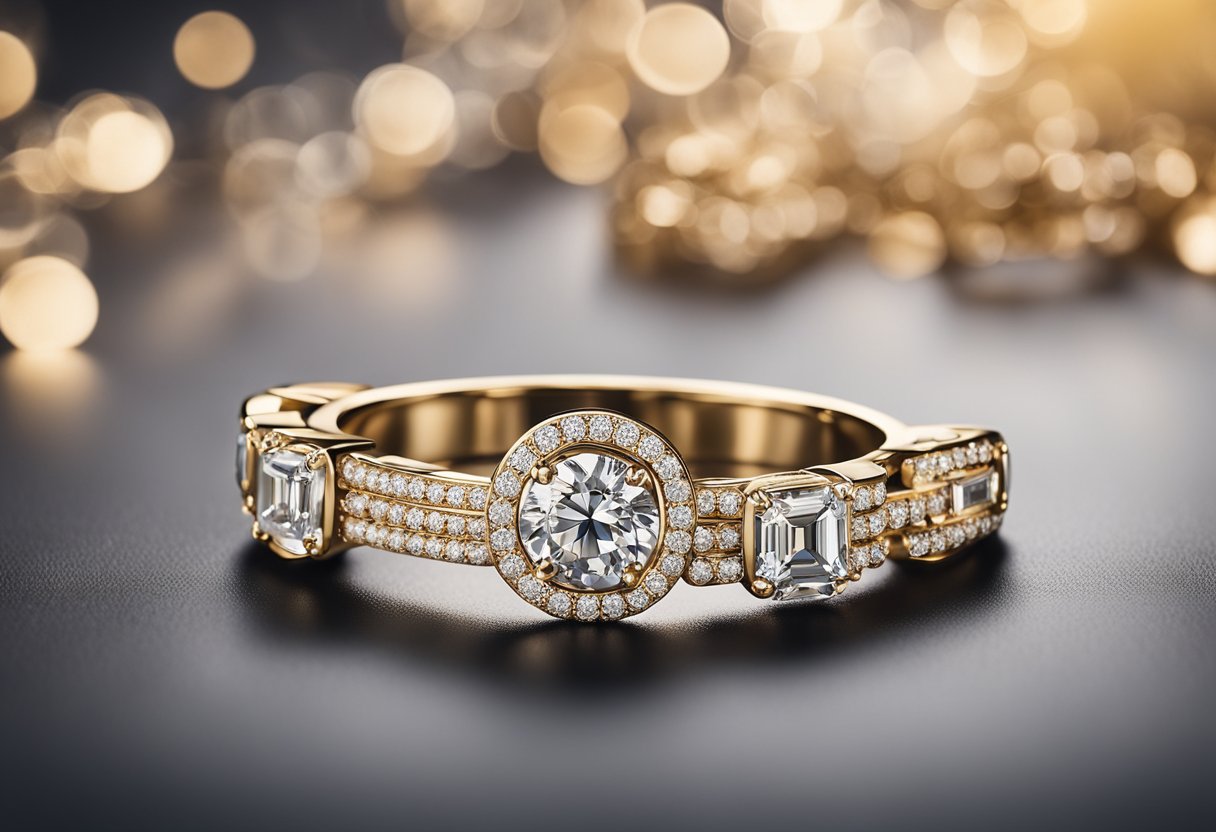
From understanding what factors influence search rankings to fine-tuning on-page elements and technical aspects, the journey to perfecting jewelry product page SEO is comprehensive yet manageable. Each element plays a role in the overall effectiveness of an e-commerce presence, making it vital for sellers to adopt a strategic approach to SEO.
By the end of this guide, readers will have a clearer roadmap for implementing effective SEO practices tailored specifically for jewelry products, giving them the tools needed to succeed in a competitive market.
Key Takeaways
- SEO helps jewelry pages rank higher in search results.
- On-page optimization is crucial for user engagement.
- Technical SEO ensures a seamless shopping experience.
Understanding SEO for Jewelry Products
Effective SEO strategies are crucial for jewelry product pages. Focusing on key concepts and conducting thorough keyword research can significantly enhance online visibility and drive sales.
Key SEO Concepts
SEO encompasses various elements that optimize online content for search engines. For jewelry products, these include on-page SEO, technical SEO, and off-page SEO.
On-page SEO involves optimizing product descriptions, meta titles, and headers. Content should be engaging and informative, integrating relevant keywords in a natural manner.
Technical SEO focuses on site performance, ensuring fast loading times and mobile-friendliness. This is vital for user experience as well as search rankings.
Off-page SEO includes strategies like link building and social media engagement. Building links from reputable sites can enhance authority, boosting search visibility.
Importance of Keyword Research
Keyword research plays a pivotal role in SEO for jewelry products. Identifying the right keywords allows for tailored content that meets consumer intent.
Tools like Google Keyword Planner and SEMrush can uncover valuable keywords. Target specific terms that potential customers use, such as “handcrafted silver ring” or “custom engagement necklace.”
Integrating both short-tail and long-tail keywords increases the chances of ranking higher. Short-tail keywords attract broad traffic, while long-tail keywords cater to specific queries, often leading to higher conversion rates.
Creating a list of target keywords aids in structuring product descriptions and metadata effectively. This ultimately drives more targeted traffic to the website, enhancing the chances of sales.
Optimizing On-Page Elements
Effective on-page optimization is crucial for improving the visibility of jewelry product pages. Key elements like meta titles, images, and content structure play a vital role in SEO performance.
Crafting Compelling Meta Titles and Descriptions
Meta titles and descriptions are essential for attracting clicks from search results. The title should be concise, typically between 50-60 characters, and include primary keywords relevant to the jewelry product.
For descriptions, aim for 150-160 characters, providing a clear summary of the product’s unique features. This can boost the click-through rate significantly.
Example:
- Title: “Handcrafted 14K Gold Necklace – Elegant and Timeless”
- Description: “Explore our handcrafted 14K gold necklace, perfect for any occasion. Free shipping on orders over $50!”
These elements should reflect the brand’s voice and entice users to learn more.
Using High-Quality Images and ALT Text
High-quality images are crucial in the jewelry industry, where visual appeal drives sales. Use multiple images to showcase different angles and settings, allowing potential buyers to assess the product thoroughly.
Implementing ALT text for each image is essential for SEO and accessibility. Each ALT tag should describe the image accurately and include relevant keywords. For instance:
- Image ALT text: “14K gold necklace with diamond pendant.”
This not only helps search engines index the images but also enhances the user experience for those using screen readers.
Enhancing Readability with Structured Content
Structured content significantly improves readability and user engagement. Break text into smaller paragraphs with clear headings to guide readers through the information easily.
Utilizing bullet points or numbered lists can efficiently convey product specifications, benefits, or features. For jewelry product pages, structured content might include:
- Material Type
- Stone Information
- Warranty Details
Incorporating these elements enhances SEO and keeps users engaged, leading to potentially higher conversion rates.
Building a Strong Internal Linking Structure
A robust internal linking structure enhances navigation, improves user experience, and boosts SEO performance. Carefully planned links guide users to relevant content, including related products and categories, which can ultimately drive conversions.
Effective Use of Anchor Text
Anchor text serves as a critical element in internal linking. It provides context to both users and search engines about the linked content. Effective anchor text should be descriptive and relevant, helping users know what to expect.
Descriptive Phrases: Avoid generic terms like “click here.” Instead, use specific descriptions that relate directly to the target page, such as “sterling silver earrings” or “organic gemstone necklaces.”
Keyword Integration: Seamlessly incorporate relevant keywords into anchor text. This practice signals to search engines what the linked page is about.
Maintaining a natural flow in anchor text encourages clicks while enhancing SEO. Regularly review anchor links to ensure they remain relevant and up-to-date.
Strategies for Linking Related Products
Linking related products fosters cross-selling opportunities and keeps users engaged. Implementing strategic links can lead consumers to explore more of the inventory.
Product Categories: Link products within the same category. For example, if a customer views a diamond ring, include links to matching earrings and bracelets.
Buying Guides or Collections: Create links to guides or curated collections. “Explore our complete bridal jewelry collection” encourages users to view complementary items.
Promotions and Sales: Highlight special offers by linking products in a sale. Annotations like “limited-time offer” near the links motivate users to act quickly.
By strategically linking products, customers spend more time discovering additional offerings, enhancing their shopping experience and increasing potential sales.
Technical SEO for E-Commerce
Maintaining strong technical SEO is vital for e-commerce success. It encompasses mobile optimization and page load speed, which significantly influence both user experience and search rankings.
Mobile Optimization
In today’s digital landscape, mobile-friendly sites are crucial. A responsive design ensures that jewelry product pages display correctly on various devices, facilitating easy navigation and improving the shopping experience.
Mobile Site Performance: Google prioritizes mobile-first indexing. This means it evaluates mobile site versions for rankings.
Touch-Friendly Elements: Ensure buttons and links are large enough for users to tap easily.
Avoid Pop-Ups: Intrusive pop-ups can disrupt mobile browsing and lead to high bounce rates.
Ensuring robust mobile optimization can lead to higher customer retention and better SEO performance.
Page Load Speed
Page load speed directly affects user experience and conversion rates. Research shows that users expect pages to load in three seconds or less. Key strategies include:
Image Optimization: Use compressed images without sacrificing quality to reduce load time.
Minify CSS and JavaScript: Streamline code by removing unnecessary spaces and comments.
Leverage Browser Caching: Store certain elements in users’ browsers to speed up return visits.
Investing in page speed improvements can significantly enhance both user satisfaction and search engine rankings.
Frequently Asked Questions
This section addresses common inquiries regarding SEO strategies for jewelry product pages. It covers optimization techniques, keyword focus, and the importance of technical SEO and imagery.
How can I optimize my jewelry product pages for better search engine rankings?
To enhance search engine rankings, individuals should focus on unique product descriptions that include relevant keywords. Utilizing clear meta titles and descriptions can also attract more clicks. Additionally, ensuring mobile-friendliness and fast loading times contributes to better search visibility.
What are the best SEO practices for jewelry e-commerce websites?
Best practices include using descriptive URLs featuring targeted keywords. Implementing structured data can help search engines understand product details better. Regularly updating content and fostering backlinks from credible sites further improves SEO performance.
Which keywords should I focus on to improve SEO for my jewelry store?
It is essential to target long-tail keywords that match customer search intent, such as “custom engagement rings” or “vintage diamond earrings.” Researching keyword performance using tools like Google Keyword Planner can aid in identifying high-traffic keywords.
How often should I update my jewelry product descriptions for SEO purposes?
Updating product descriptions regularly is vital. A consistent refresh of content, especially for seasonal items or trends, can improve relevance in search rankings. As products change, ensuring descriptions remain accurate and compelling is beneficial.
Are there specific technical SEO tips for improving jewelry product page performance?
Implementing a breadcrumb navigation system can help enhance user experience and SEO. Ensuring an XML sitemap is submitted to search engines facilitates easier indexing of pages. Additionally, minimizing duplicate content is important for maintaining site performance and authority.
What role do images play in jewelry product page SEO, and how should they be optimized?
Images are crucial in jewelry SEO as they engage viewers and can lead to higher conversion rates. Optimizing images involves using descriptive file names and alt text that includes relevant keywords. Ensuring images are compressed for faster loading without losing quality is also important.

Guy has been building websites and helping companies online for over 15 years. He has worked in the jewelry industry for close to 30 years now. As the CEO of Jewelry Store Marketers, Guy leads the company to provide excellent services in website design and development, search engine optimization and more.


