


Local Keyword Strategies for Successful Jewelry Marketing: Enhancing Visibility and Engagement
Local keyword strategies are essential for jewelers looking to enhance their online presence and attract customers within their vicinity. By focusing on specific local terms in their marketing efforts, they can significantly improve visibility and engagement with potential clients. This targeted approach not only boosts search engine rankings but also fosters strong relationships with local clientele.

Effective content marketing plays a crucial role in this process. Crafting relevant, localized content helps jewelers connect with their audience more authentically, making it easier to convert visits into sales. Building a brand around community involvement and local interests can lead to greater customer loyalty and repeat business.
To achieve success, jewelers must also understand the nuances of local SEO, which includes optimizing their website, leveraging social media, and ensuring accurate business listings. These strategies create a robust online presence that resonates with local customers and drives foot traffic to their stores.
Key Takeaways
- Local keywords improve online visibility and drive traffic to jewelry stores.
- Creating relevant content fosters deeper connections with local customers.
- Strong local SEO practices enhance brand credibility and customer trust.
Understanding Local SEO for Jewelers

Local SEO is essential for jewelers looking to attract customers in their immediate area. By focusing on geo-targeting, optimizing search queries, and leveraging business listings, jewelers can significantly enhance their visibility.
The Importance of Geo-Targeting
Geo-targeting helps jewelers connect with potential customers in specific locations. By using tools like Google My Business, they can list their store’s address, hours of operation, and contact details.
Utilizing local keywords in website content improves relevance. For example, including phrases like “jewelry store in [City Name]” can boost search rankings when consumers look for nearby options.
Analytics tools play a vital role in evaluating customer demographics and their preferences. By understanding which local areas drive traffic, jewelers can streamline marketing efforts.
Optimizing for Local Search Queries
Optimizing for local search queries involves incorporating location-based keywords throughout the website. Jewelers should use these keywords in title tags, meta descriptions, and blog posts to enhance visibility.
Creating content that addresses local events or trends can also appeal to nearby customers. Offering promotions that relate to local occasions can draw attention and foster community engagement.
Additionally, mobile optimization is crucial as many consumers search for jewelry stores on their phones. A responsive website improves user experience and encourages visits.
Leveraging Local Business Listings
Listing the business on various online directories is a fundamental aspect of local SEO. Platforms like Yelp, Yellow Pages, and TripAdvisor help jewelers increase their online presence.
Consistency in NAP (Name, Address, Phone number) across all listings is essential. Discrepancies can confuse search engines and potential customers, decreasing the likelihood of store visits.
Encouraging satisfied customers to leave positive reviews on these platforms can enhance reputability. Active engagement with reviews, whether positive or negative, helps build trust and showcases excellent customer service.
Content Marketing Strategies
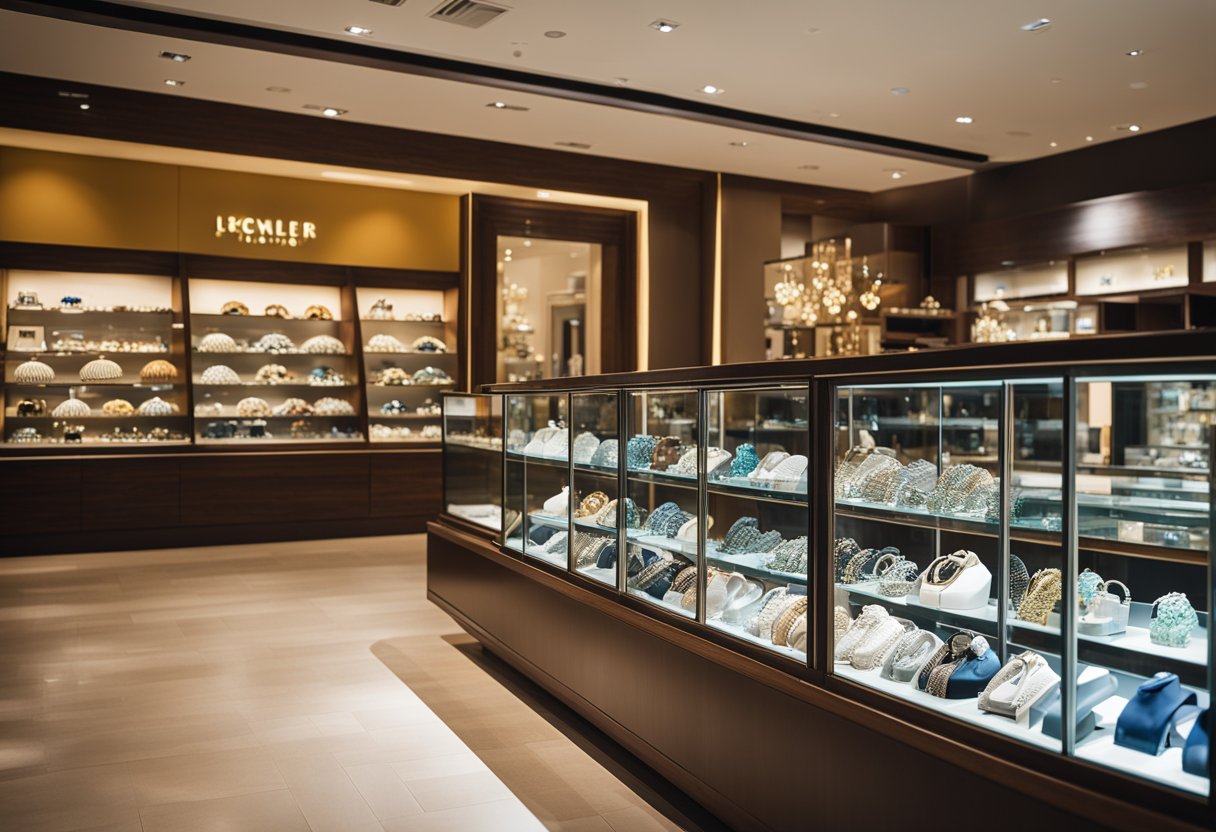
Effective content marketing strategies play a crucial role in attracting and engaging customers in the jewelry industry. These strategies include creating valuable blog content, leveraging visual platforms, and personalizing email communications.
Crafting Jewelry-Focused Blog Content
Creating a jewelry-focused blog allows businesses to establish authority and foster customer engagement. Topics may include jewelry care tips, trends, or the significance of various gemstones.
Adding keywords specific to local searches can enhance visibility. For example, using phrases like “engagement rings in [City]” can target potential customers more effectively. Moreover, storytelling can resonate with readers, showcasing the craftsmanship behind pieces or customer testimonials.
Consistent posting schedules, such as weekly or bi-weekly, can help maintain audience interest. Well-structured content aids in search engine optimization (SEO), further driving traffic to a website.
Utilizing Visual Content on Social Media
Visual content is vital for jewelry marketing. Platforms like Instagram and Pinterest are particularly effective for showcasing the beauty of pieces. High-quality images, videos, and stories can create a brand narrative that attracts followers.
Using visually appealing content, such as behind-the-scenes workshops or customer styling tips, can foster a deeper connection with the audience. Additionally, utilizing local hashtags can help reach a broader, targeted audience.
Engagement can be boosted by encouraging user-generated content, such as customers sharing their own photos wearing the jewelry. Contests or giveaways can also stimulate interaction and expand reach on social media.
Email Marketing and Personalization
Email marketing is an effective way to communicate directly with potential customers. Personalized emails that address recipients by name and reflect their preferences can significantly increase engagement rates.
Segmenting email lists allows for targeted promotions based on customer behavior or purchase history. For instance, sending tailored offers for birthdays or anniversaries can create a memorable experience.
Offering exclusive content, such as styling tips or early access to new collections, can enhance customer loyalty. Clear call-to-action buttons should encourage readers to visit the website or take advantage of specific offers.
Building Customer Relationships
Strong customer relationships are essential for jewelry marketing success. Engaging with the community and encouraging customer participation fosters loyalty and increases brand visibility.
Engaging with Local Community Events
Participating in local events allows jewelers to connect with potential customers. It provides an opportunity to showcase products while supporting the community.
Sponsorship: By sponsoring local events, businesses gain visibility and enhance their reputation.
Pop-up Shops: Setting up pop-up shops at community fairs or festivals attracts foot traffic.
Workshops: Offering jewelry-making workshops empowers customers to interact with the brand and learn a skill.
Connecting with the community fosters goodwill and increases customer loyalty. Engaging in these activities not only highlights the jewelry but also builds lasting relationships.
Encouraging User-Generated Content
User-generated content is a powerful tool for promoting jewelry. Encouraging customers to share their experiences increases authenticity and trust in the brand.
Social Media Campaigns: Launch campaigns that invite customers to post photos wearing their jewelry.
Incentives: Offer discounts or features on the brand’s platforms to motivate sharing.
Testimonials: Showcase customer stories and reviews to enhance credibility.
Encouraging this type of content not only promotes products but also involves customers in the brand’s narrative. This builds a sense of community and enhances loyalty.
Frequently Asked Questions
Addressing common inquiries can significantly enhance understanding and execution of effective strategies in jewelry marketing. The following questions provide practical insights into improving visibility, engagement, and sales.
How can I improve my jewelry website’s search engine visibility?
To enhance search engine visibility, optimizing website content for relevant local keywords is essential. Including location-based keywords in product descriptions, meta tags, and blog posts can attract local customers. Additionally, building high-quality backlinks from reputable sources can improve ranking on search engines.
What social media strategies are effective for jewelry marketing?
A strong presence on platforms like Instagram and Pinterest can effectively showcase jewelry collections. Posting high-quality images and videos, utilizing hashtags, and engaging with followers can boost visibility. Collaborating with influencers can also reach a broader audience while showcasing brand credibility.
What kind of content should I create to attract customers to my jewelry store?
Creating engaging content such as how-to guides, styling tips, and behind-the-scenes videos can attract customers. Blog posts that spotlight unique jewelry pieces or customer stories can build a connection. Visual content, including images and short videos, can capture attention and encourage shares.
How can I use local events to promote my jewelry business?
Participating in local craft fairs and community events can directly connect a jewelry business with potential customers. Setting up a booth or sponsoring an event can enhance visibility. Offering exclusive promotions or giveaways during these events can also attract more visitors.
What are the most effective online advertising methods for a jewelry brand?
Utilizing targeted social media ads and Google Ads can drive relevant traffic to a jewelry website. Retargeting ads are effective for reaching users who had previous interactions without making a purchase. Email marketing campaigns can also effectively engage customers with personalized offers.
How can I measure the success of my jewelry marketing campaigns?
Tracking key performance indicators (KPIs) such as website traffic, conversion rates, and social media engagement can indicate campaign success. Utilizing tools like Google Analytics helps in analyzing data for better decision-making. Regularly assessing these metrics can refine future marketing strategies.

Guy has been building websites and helping companies online for over 15 years. He has worked in the jewelry industry for close to 30 years now. As the CEO of Jewelry Store Marketers, Guy leads the company to provide excellent services in website design and development, search engine optimization and more.


