


Comparing Local Keywords for Jewelry Shops vs. General Stores: A Strategic Analysis
Local search strategies play a crucial role in attracting customers, especially for niche markets like jewelry shops. Comparing local keywords for jewelry shops with those for general stores reveals significant differences that can impact visibility and customer engagement. Understanding these distinctions can empower business owners to refine their SEO efforts and target the right audience effectively.

Jewelry shops often rely on specific local keywords that capture their unique offerings, while general stores benefit from broader terms. This contrast highlights the importance of tailoring keyword strategies to fit the specific context of the business. By identifying relevant local keywords, jewelry shops can enhance their online presence and reach potential customers more efficiently.
The competitive landscape for SEO requires a keen understanding of keyword dynamics. By focusing on local strengths and addressing the unique attributes of jewelry shops, business owners can gain a competitive edge in their digital marketing strategies.
Key Takeaways
- Local keywords drive targeted traffic for jewelry shops.
- Broader keywords work better for general store visibility.
- Tailored SEO strategies enhance online presence and engagement.
Local SEO Strategies for Jewelry Shops
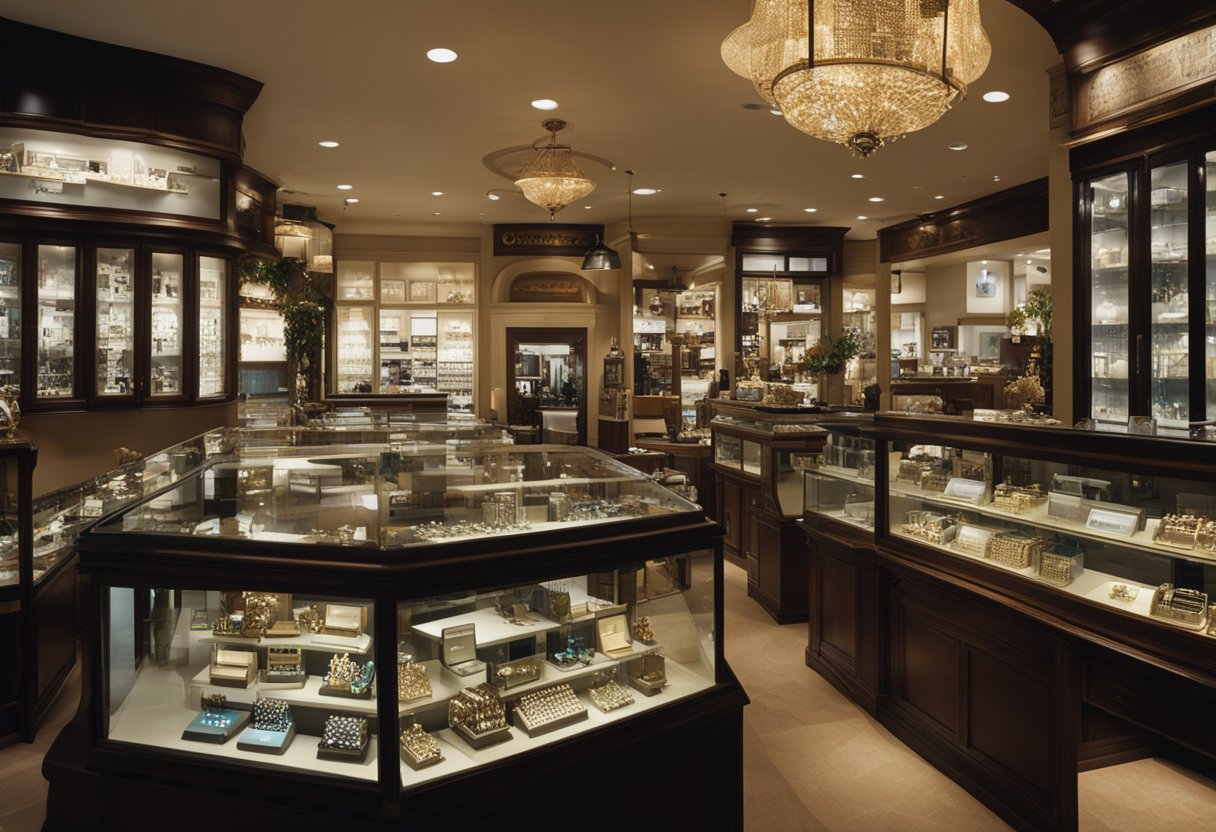
Jewelry shops can enhance their visibility in local search results through targeted strategies. Focusing on specific keywords, optimizing for store locators, and leveraging customer reviews are essential components of effective local SEO.
Identifying Target Keywords
Choosing the right keywords is crucial for jewelry shops. Start by identifying specific phrases that potential customers are likely to use. This can include terms like “custom jewelry in [City Name]” or “jewelry repair near me.”
Utilizing tools such as Google Keyword Planner can help in discovering local search volumes. It’s beneficial to incorporate long-tail keywords that reflect unique offerings. For instance, “engagement rings in [Neighborhood]” can attract more qualified leads.
Finally, including localized content on the website enhances search relevance. Blog posts, guides, or resource articles related to local events or jewelry trends can engage the community and draw in customers.
Optimizing for Store Locator Results
Positioning the jewelry shop prominently in local search results requires effective optimization for store locator features. Creating and optimizing a Google My Business profile is a foundational step.
Ensure that all relevant information is accurate and up to date. This includes the shop’s name, address, phone number, and business hours. Adding high-quality images of the jewelry and shop interior can improve customer engagement.
Additionally, employing location-based structured data markup helps search engines understand the business’s relevance to local queries. This can lead to better visibility in local searches and enhance foot traffic to the brick-and-mortar location.
Importance of Customer Reviews
Customer reviews play a significant role in local SEO performance. Positive reviews not only enhance credibility but also influence rankings in search results. Jewelry shops should actively encourage satisfied customers to leave feedback.
Engaging with these reviews, whether positive or negative, demonstrates commitment to customer satisfaction. Responding promptly shows potential customers that their opinions are valued.
Furthermore, showcasing reviews on the shop’s website can increase trust with visitors. It can be helpful to create a dedicated section for testimonials or to highlight reviews on product pages, thus improving conversion rates.
Keyword Comparison for General Stores
When assessing keywords for general stores, two primary factors come into play: keyword volume and relevance, along with seasonal variations. These aspects greatly impact visibility and consumer engagement.
Keyword Volume and Relevance
Keyword volume indicates how often search terms are used, providing insight into their popularity. General stores benefit from a wide range of keywords, such as “grocery near me,” “discount electronics,” and “home essentials.” These terms can attract diverse customer segments.
Relevance is equally crucial. Terms need to align with what consumers are actively seeking. A keyword with high volume but low relevance can lead to poor conversion rates. For instance, “best online shopping deals” might attract traffic, but specific terms like “organic fruits in [location]” drive more targeted visitors who are ready to purchase.
Seasonal Variations in Keywords
Keywords for general stores can vary significantly by season. For example, during the winter holidays, terms like “holiday gifts” or “winter clothing deals” gain traction. Conversely, spring may see spikes in “gardening supplies” or “outdoor furniture.”
Businesses must adapt their keyword strategies accordingly. Using tools like Google Trends can help identify these patterns. By adjusting keywords seasonally, general stores can optimize their online presence and meet consumer demands, ultimately enhancing sales opportunities.
Technical SEO: Site Structure and Performance
Effective technical SEO is essential for jewelry shops and general stores. It pertains to aspects like website architecture, mobile usability, and page speed, all of which contribute to user experience and search visibility.
Website Architecture
A well-structured website facilitates easy navigation and indexation by search engines. Jewelry shops should focus on a hierarchical approach, where categories are clearly defined. For example:
- Homepage: Introduction to the store.
- Categories: Rings, necklaces, bracelets.
- Subcategories: Gold, silver, gemstones.
Using descriptive URLs and proper internal linking enhances discoverability. This structure not only aids search engines in understanding site content but also guides users to find products quickly.
Mobile Usability
With increasing mobile traffic, ensuring mobile usability is crucial. Jewelry shops must adopt a responsive design that adjusts seamlessly to various screen sizes. Key considerations include:
- Readable Text: Fonts should be legible without zooming.
- Tappable Elements: Buttons must be spaced adequately to avoid misclicks.
- Load Time: Mobile pages should load quickly to reduce bounce rates.
Testing the site across different devices helps identify usability issues, allowing owners to enhance the user experience for mobile shoppers.
Page Speed Optimization
Page speed significantly impacts user satisfaction and search rankings. Jewelry stores should aim for load times under three seconds. Strategies include:
- Image Compression: Optimize images without sacrificing quality to decrease loading time.
- Minimize HTTP Requests: Reduce the number of elements on each page to enhance speed.
- Leverage Browser Caching: Store frequently accessed files to load pages faster on return visits.
Utilizing tools like Google PageSpeed Insights can provide valuable insights into areas needing improvement.
Off-Page SEO: Building Trust and Authority
Off-page SEO plays a critical role in establishing a jewelry shop’s credibility. It involves strategies that enhance the shop’s reputation and visibility through external methods. Key aspects include backlink profile analysis and local citations.
Backlink Profile Analysis
A robust backlink profile is vital for improving a site’s authority. Jewelry shops should focus on acquiring high-quality backlinks from reputable websites. Key sources may include:
- Industry-related blogs: Guest posts or collaborations can drive relevant traffic.
- Local news outlets: Features or mentions can enhance local recognition.
- Jewelry directories: Inclusion in specialized directories correlates with niche authority.
Analyzing the existing backlink profile helps identify strengths and weaknesses. Tools like Moz and Ahrefs provide insights into domain authority and link quality. Regular monitoring ensures that the shop maintains a competitive edge.
Local Citations and Directory Listings
Local citations refer to mentions of a business online, typically including its name, address, and phone number. For jewelry shops, accurate local citations are crucial for local SEO.
Key platforms for citations include:
- Google My Business: Essential for local visibility and customer engagement.
- Yelp and Yellow Pages: Widely used by consumers seeking local businesses.
Consistency across these platforms builds trust with search engines and customers alike. It is vital to regularly update listings to reflect any changes in business information. This practice helps improve local search rankings and boosts credibility.
Frequently Asked Questions
This section addresses common queries regarding local keywords for jewelry shops in comparison to general retail stores. Specific focuses include effective keywords on social media, differences in SEO strategies, and ways to enhance local engagement.
What are the top-performing keywords for jewelry shops on social media platforms?
Top-performing keywords for jewelry shops often include terms like “handmade jewelry,” “engagement rings,” and “custom jewelry.” Each of these keywords aligns closely with target customer interests and preferences. Using hashtags that reflect local market trends can boost visibility and engagement.
How does SEO for jewelry stores differ from general retail stores?
SEO for jewelry stores tends to focus more on niche keywords, including specific jewelry types and local services. In contrast, general retail stores may rely on broader terms that encompass a wider range of products. Jewelry shops also benefit from emphasizing visual content due to the aesthetic nature of their products.
Which keywords are most effective in driving local engagement for jewelry shops?
Effective local keywords for jewelry shops often include city names or neighborhoods combined with specific product offerings. Phrases like “wedding rings in [City Name]” and “jewelry repair in [Location]” facilitate targeted local searches. These keywords help attract nearby customers who are seeking specific services.
How can jewelry businesses utilize Google Trends to identify trending search terms?
Jewelry businesses can use Google Trends to track the popularity of specific keywords over time. By analyzing search volume data, they can identify seasonal trends and emerging interests. This insight allows them to adjust their content strategy and keyword focus accordingly.
What strategies can be implemented to improve local keyword rankings for jewelry shops?
To improve local keyword rankings, jewelry shops should ensure accurate listings on Google My Business and similar platforms. Additionally, they can gather customer reviews and create locally focused content. Engaging with local communities through events or sponsorships can further enhance their visibility.
How should jewelry businesses refine their keyword selection for paid search campaigns?
For paid search campaigns, jewelry businesses should focus on long-tail keywords that reflect specific consumer intent. Terms such as “affordable diamond earrings near me” can lead to higher conversion rates. Testing different keyword variations can help identify the most effective options for ad performance.

Guy has been building websites and helping companies online for over 15 years. He has worked in the jewelry industry for close to 30 years now. As the CEO of Jewelry Store Marketers, Guy leads the company to provide excellent services in website design and development, search engine optimization and more.


