


Jewelry SEO Techniques That Dazzle Customers: Boost Your Online Visibility and Sales
Creating a strong online presence in the jewelry market requires a strategic approach to search engine optimization. Effective SEO techniques can significantly enhance visibility, attract potential customers, and ultimately drive sales for jewelry brands. By addressing the unique aspects of jewelry e-commerce, brands can craft targeted strategies that resonate with their audience.

From selecting the right keywords to employing content marketing strategies that engage and inform, jewelry businesses can leverage SEO to stand out in a crowded marketplace. The integration of technical SEO practices ensures that websites not only look appealing but also function smoothly, providing users with a seamless shopping experience.
Establishing authority through link building and maintaining an active social media presence can further boost visibility, creating a comprehensive SEO strategy that dazzles customers and drives traffic.
Key Takeaways
- Effective SEO is crucial for increasing visibility in the jewelry market.
- Content marketing engages customers and enhances brand loyalty.
- Technical SEO and link building strengthen online presence and authority.
SEO Fundamentals for Jewelry Brands

Effective SEO for jewelry brands requires a thorough understanding of keywords, compelling meta descriptions, and optimized image alt text. Focusing on these core elements can enhance online visibility and attract potential customers.
Understanding Jewelry Keywords
Keywords play a crucial role in driving organic traffic. Jewelry brands should start by conducting thorough keyword research to identify terms that potential customers frequently search for.
Tools like Google Keyword Planner, Ahrefs, or SEMrush can aid in discovering relevant keywords. Consider both short-tail keywords, such as “gold earrings,” and long-tail keywords, like “handmade silver engagement rings.”
Incorporating these keywords naturally into product descriptions, blog posts, and website content is vital. This improves search rankings and ensures the content aligns with what customers are looking for.
Importance of Meta Descriptions
Meta descriptions serve as the first impression for search engine users. A well-crafted meta description can significantly improve click-through rates.
It should be concise, ideally between 150-160 characters, and include primary keywords related to the page content. For example, a jewelry brand could use a description like, “Explore our exclusive collection of handcrafted gemstone necklaces designed to dazzle.”
Adding a call-to-action can also entice users. Regularly updating and testing meta descriptions based on performance analytics can help optimize results.
Leveraging Alt Text with Images
Alt text is essential for enhancing image accessibility and search engine optimization. Each image should have descriptive alt text that reflects its content and integrates relevant keywords.
For instance, instead of using “IMG_1234,” a jewelry brand could use “14k gold diamond-studded ring.” This not only aids search engines in understanding the image but also improves user experience for visually impaired visitors.
In addition, optimizing image file sizes can improve loading speed, which is an important factor for SEO. Ensuring images are visually appealing and appropriately tagged enhances online visibility.
Content Marketing Strategies
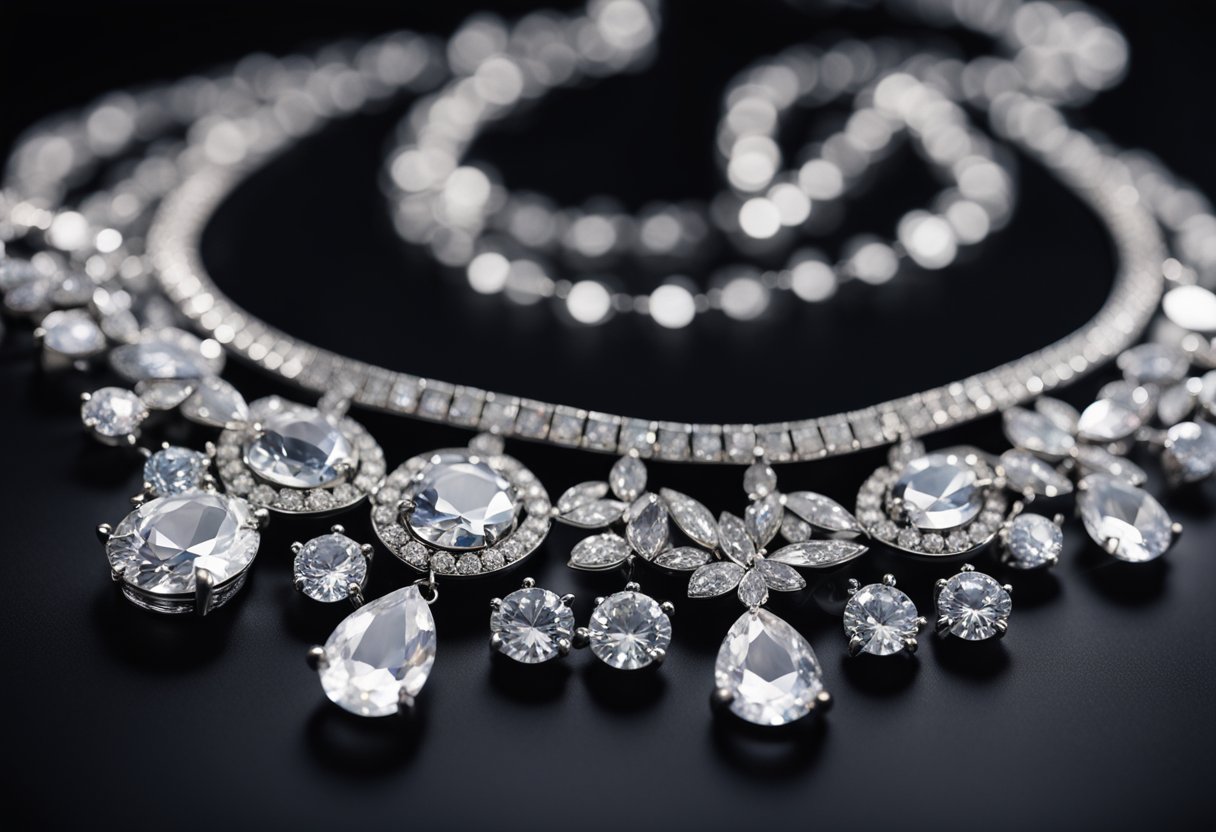
Effective content marketing strategies can significantly enhance a jewelry brand’s visibility and engagement. By focusing on creating valuable content, brands can attract and retain customers while boosting search rankings.
Crafting Engaging Product Descriptions
Product descriptions should resonate with potential customers and inspire them to purchase. They should include specific details such as materials, benefits, and unique features. Instead of generic phrases, employing storytelling can make each piece feel special.
Utilizing bullet points can enhance readability. For example:
- Material: 14k gold, sterling silver
- Stone: Conflict-free diamonds
- Care Instructions: Wipe with a soft cloth
Incorporating keywords relevant to the product also aids in search engine optimization. This may include phrases like “artisan-made rings” or “custom jewelry designs.” Engaging descriptions can lead to higher conversion rates.
Blogging About Jewelry Trends
Maintaining a blog focused on current jewelry trends establishes expertise and drives organic traffic. Topics can include seasonal styles, viral accessories, or sustainable practices. Crafting informative articles encourages sharing and boosts visibility.
Engaging blog posts could include:
- Top 5 Summer Trends: Highlight trending pieces for the season.
- Jewelry Care Tips: Offer guidance on maintaining different materials.
- Spotlight Features: Profile different designers or collections.
Utilizing SEO tools to identify trending keywords will enhance discoverability. Providing insights and expert opinions demonstrates knowledge and builds trust with the audience.
Creating Visually-Driven Content
Visual content plays a crucial role in jewelry marketing. High-quality images should showcase intricate details, colors, and the overall aesthetic of each piece. Using lifestyle photography allows potential customers to envision wearing the items.
Platforms like Instagram and Pinterest are ideal for visually-driven content. Brands should create engaging graphics, infographics, and videos demonstrating the jewelry in various settings. Incorporating user-generated content can reinforce community engagement.
Consider creating:
- Behind-the-Scenes Videos: Showing the design process.
- Stylish Layouts: Display combinations that inspire outfit ideas.
- Customer Highlight Posts: Featuring satisfied clients wearing the jewelry.
These strategies enhance brand appeal and encourage customer interaction.
Technical SEO for E-commerce
Technical SEO is essential for ensuring that e-commerce sites function optimally for search engines and users. Key aspects include site structure, page load speed, and mobile responsiveness.
Optimizing Site Structure
A well-organized site structure helps search engines crawl and index a website efficiently. Implement a clear hierarchy with relevant categories and subcategories, making it easy for users to navigate through products.
Using descriptive URLs enhances clarity. For example, a URL like www.example.com/jewelry/necklaces is more informative than www.example.com/product123.
Additionally, a sitemap.xml file guides search engines to all important pages. Consider using breadcrumb navigation, enabling visitors to trace their path back through categories easily.
Enhancing Page Load Speed
Page load speed significantly affects user experience and search rankings. E-commerce websites should aim for a load time of under three seconds.
Compress images to reduce file size without sacrificing quality. Tools like ImageOptim or TinyPNG can help with this.
Minimize HTTP requests by combining CSS and JavaScript files. Implementing browser caching allows returning visitors to access pages faster.
Use a Content Delivery Network (CDN) to distribute content globally, improving speed for users regardless of location.
Mobile Responsiveness
With more consumers shopping on mobile devices, having a responsive design is critical. A mobile-friendly site automatically adjusts its layout based on screen size, providing an optimal shopping experience.
Using Google’s Mobile-Friendly Test can quickly identify usability issues. Important aspects include touch-friendly buttons and easily readable fonts.
Ensure that images resize correctly and that mobile navigation is straightforward. Prioritizing mobile responsiveness can lead to increased engagement and conversion rates, as users prefer seamless experiences on their devices.
Link Building and Social Signals
Effective link building combined with strong social signals can significantly enhance the online visibility of jewelry brands. This section explores robust strategies to acquire quality backlinks, engage with social media, and incorporate social proof, all of which contribute to attracting customers.
Acquiring Quality Backlinks
Quality backlinks from authoritative sites boost a jewelry website’s credibility and search engine ranking. Brands should focus on obtaining links from fashion blogs, jewelry review sites, and local business directories.
Strategies include:
Guest Blogging: Writing articles for reputable websites in the jewelry or fashion sector can earn valuable backlinks while showcasing expertise.
Collaborations: Partnering with influencers or other brands for co-branded promotions can lead to natural link-sharing.
Resource Pages: Reaching out to websites that compile resources about jewelry can yield backlinks by being featured in their lists.
Engaging with Social Media
An active presence on social media platforms is essential for jewelry brands aiming to connect with customers. Leveraging platforms like Instagram, Pinterest, and Facebook can effectively drive traffic to the website.
Key practices for engagement:
Regular Posts: Frequent, high-quality content, including stunning visuals and behind-the-scenes looks, keeps the audience engaged.
Interactive Content: Polls, contests, and live videos encourage followers to interact, enhancing brand visibility.
Utilizing Hashtags: Proper use of relevant hashtags increases discoverability, allowing potential customers to find the jewelry brand through trending searches.
Incorporating Social Proof
Social proof plays a vital role in building trust and encouraging purchases. Jewelry brands should actively display testimonials, reviews, and user-generated content.
Strategies include:
Customer Reviews: Featuring positive reviews on product pages helps reassure new customers about their choices.
Influencer Endorsements: Collaborating with influencers to showcase products can lend credibility and attract their followers.
User-Generated Content: Encouraging customers to share their jewelry photos on social media with specific tags can create a community feel and encourage purchases.
Frequently Asked Questions
This section addresses common inquiries about effective SEO techniques specifically for jewelry websites. It offers targeted strategies to enhance visibility, improve content engagement, and leverage social media.
What are effective SEO strategies for improving a jewelry website’s visibility?
Implementing on-page optimization techniques is crucial. This includes optimizing title tags, meta descriptions, and header tags with relevant keywords. Building backlinks and utilizing local SEO practices can also enhance visibility.
Which keywords should I target to increase traffic to my jewelry store online?
Targeting long-tail keywords is essential in the jewelry industry. Phrases like “handcrafted silver necklaces” or “custom engagement rings” can attract specific audiences. Using tools like Google Keyword Planner can help identify high-traffic keywords.
How do I create content that engages potential jewelry buyers and boosts search rankings?
Creating high-quality blog posts, buying guides, and how-to articles can engage users. Integrating storytelling around jewelry pieces can create a personal connection. Visual content like videos and infographics also enhances user experience and shares valuable information.
What’s the best way to use social media for promoting jewelry and enhancing SEO efforts?
Utilizing platforms like Instagram and Pinterest is effective for showcasing jewelry products. Posting engaging visuals combined with relevant hashtags can increase reach. Regular interaction with followers can build brand loyalty and drive traffic to the website.
How can I optimize product listings for my jewelry items to improve online searchability?
Optimizing product titles and descriptions is vital. Each listing should include relevant keywords and unique descriptions. High-quality images and customer reviews also contribute to better searchability and increased conversions.
What role do customer reviews play in jewelry SEO, and how can I leverage them?
Customer reviews boost credibility and improve search rankings. Encouraging satisfied customers to leave reviews on product pages enhances visibility. Displaying reviews prominently can also encourage prospective buyers to make a purchase.

Guy has been building websites and helping companies online for over 15 years. He has worked in the jewelry industry for close to 30 years now. As the CEO of Jewelry Store Marketers, Guy leads the company to provide excellent services in website design and development, search engine optimization and more.


