


How Quality Content Can Enhance Your Jewelry Store’s Search Engine Rankings for Increased Visibility and Sales
Quality content directly improves a jewelry store’s search engine rankings by providing relevant, informative, and engaging material that meets both user intent and SEO criteria. Search engines prioritize websites with well-written content that answers customer questions, showcases expertise, and incorporates targeted keywords naturally. This enhances visibility and attracts more organic traffic.

Creating detailed product descriptions, educational blog posts, and buyer guides helps build credibility and trust with both visitors and search engines. Consistent, high-quality content also encourages longer visit times and repeat visits, signaling value to search algorithms.
Optimizing content for user experience, such as clear formatting and helpful visuals, supports better engagement and reduces bounce rates. Monitoring content performance allows stores to refine their approach for ongoing SEO success.
Key Takeaways
- Quality content improves search rankings by addressing user needs and SEO factors.
- Clear, informative material builds trust and encourages visitor engagement.
- Regular content assessment helps maintain and grow organic traffic.
The Role of Quality Content in Jewelry SEO

Quality content directly impacts how well a jewelry store ranks in search engines by addressing customer intent, establishing expertise, and facilitating site navigation. Creating detailed and relevant content helps search engines understand the site’s focus and boosts visibility for targeted keywords.
Defining Quality Content for Jewelry Stores
Quality content for jewelry stores combines clear product descriptions, engaging visuals, and informative articles about materials, trends, and care tips. It must be original, accurate, and tailored to the target audience’s interests and search queries.
It should avoid generic phrases and instead provide specific details like the type of gemstones, craftsmanship techniques, and styling advice. User-friendly language paired with SEO best practices ensures the content reaches and converts potential buyers effectively.
Establishing Topical Relevance and Authority
To build topical relevance, the content should cover interconnected jewelry-related topics such as ring sizing, metal types, and jewelry maintenance. Linking these pieces internally strengthens the site’s authority on the subject.
Publishing expert insights or customer testimonials also contributes to perceived authority. Consistent, focused content signals to search engines that the store is a reliable source, which can improve rankings for relevant search terms.
Improving Search Engine Crawling and Indexing
Structured and well-organized content helps search engines crawl and index pages efficiently. Using headings, bullet points, and optimized metadata communicates the hierarchy and importance of information clearly.
Including keywords naturally within the content and metadata allows search engines to categorize pages accurately. Proper use of alt text for images also improves indexing, making the jewelry store’s offerings easier to find in search results.
Strategies for Creating Effective Jewelry Store Content
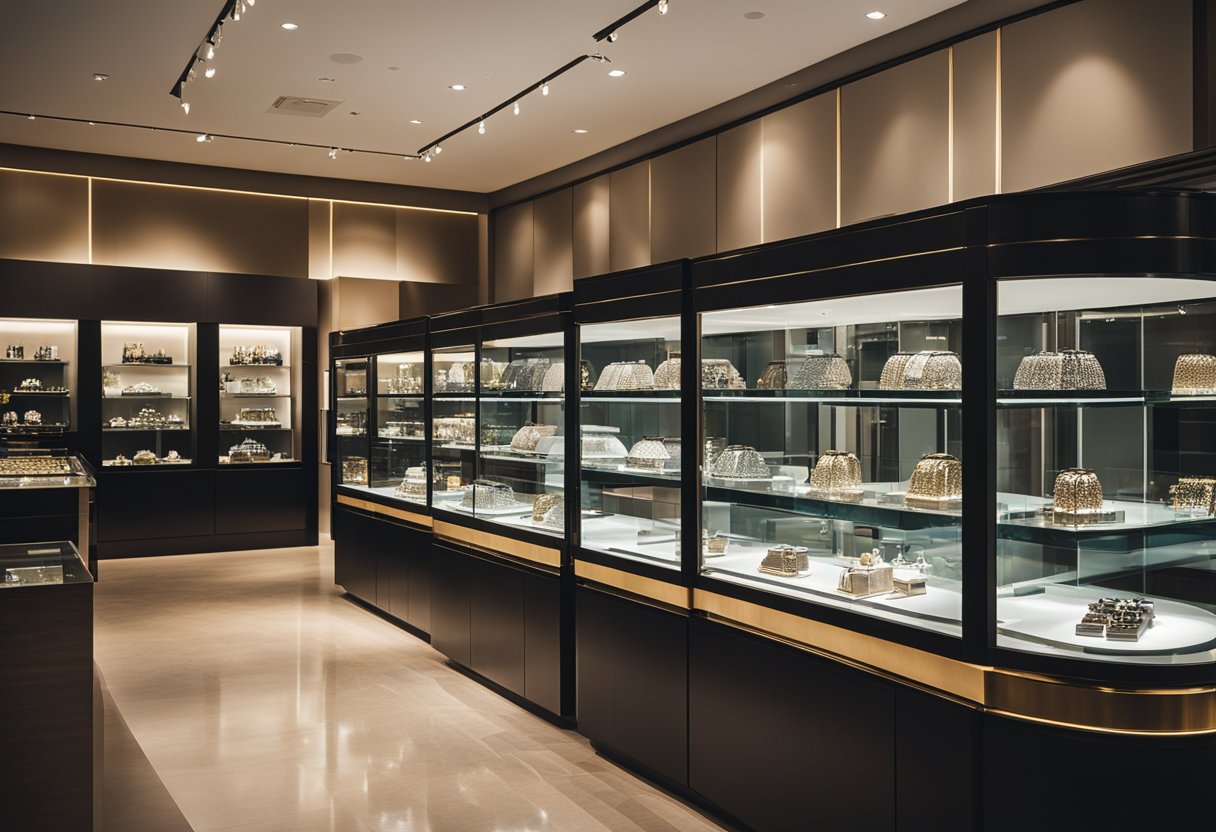
Effective jewelry store content requires targeted research, persuasive descriptions, and valuable educational material. Each element plays a critical role in attracting visitors, engaging them, and improving search engine rankings.
Conducting Keyword Research for Jewelry Products
Keyword research starts with identifying the specific terms potential buyers use when searching for jewelry. Tools like Google Keyword Planner or Ahrefs help find relevant keywords with high search volume and manageable competition.
Focus on long-tail keywords such as “14k gold engagement rings” or “silver charm bracelets for women” to capture highly targeted traffic. Including location-specific keywords, like “custom necklaces in New York,” can attract local buyers effectively.
Keywords should be naturally integrated into page titles, meta descriptions, headings, and product descriptions to help search engines understand the content. Regularly updating keywords based on trends ensures the store remains visible in search results.
Crafting Engaging Product Descriptions
Product descriptions must clearly explain key features such as material, size, design details, and craftsmanship. Descriptions should highlight unique selling points like ethically sourced gems or handmade processes.
Using simple, precise language helps customers understand the value of each item quickly. Including sensory details, like “smooth finish” or “sparkling clarity,” makes the description vivid without exaggeration.
Descriptions should incorporate relevant keywords without keyword stuffing. Adding care instructions or styling tips can increase user engagement and encourage purchases, setting the content apart from competitors.
Developing Educational Blog Posts and Guides
Educational content builds trust and attracts a wider audience over time. Posts can cover topics like “How to Choose the Right Ring Size” or “Differences Between Gold and Platinum.”
Guides should be detailed, well-researched, and easy to follow. Including images, step-by-step instructions, or comparison tables helps clarify complex information.
Blog posts provide opportunities to target diverse keywords and encourage users to spend more time on the site. This signals quality to search engines and can improve rankings.
Enhancing User Experience Through Valuable Content
Improving user experience depends on how visitors interact with a jewelry store’s content. Visual appeal and easy-to-understand text encourage longer visits and repeated engagement.
Utilizing Visuals and Multimedia
High-quality images showing jewelry details, angles, and scale build trust and interest. Videos demonstrating craftsmanship or styling tips can increase time visitors spend on a page and lower bounce rates.
Using alt text for all images supports SEO and accessibility. Interactive elements, like 360-degree product views or zoom features, create a closer look without physical visits. These tools help customers make more confident buying decisions.
Optimizing for Readability and Accessibility
Clear, concise language with short paragraphs and bullet points guides readers smoothly through product descriptions and guides. Choosing readable fonts and appropriate font sizes reduces eye strain.
Accessible content involves more than visible text. Proper heading structures, keyboard navigability, and screen reader compatibility ensure all users can interact with the site. This broad accessibility aligns with search engines’ emphasis on user-centric content.
Measuring Content Success and SEO Impact
Evaluating how content performs requires looking at both search rankings and user behavior. Each provides different insights that help refine strategies and improve a jewelry store’s online presence.
Tracking Rankings and Organic Traffic
Monitoring keyword rankings shows how well the content targets search intent. Tools like Google Search Console and SEMrush can track positions for important keywords such as “engagement rings” or “custom necklaces.”
Organic traffic reflects how many visitors arrive through unpaid search results. An increase in this traffic often indicates that the content is relevant and well-optimized. Comparing timeframes before and after updates helps measure impact.
Regularly reviewing rankings and traffic changes highlights which pages drive the most value. This data guides adjustments in keyword focus and content improvements to sustain or grow visibility.
Analyzing User Engagement Metrics
User engagement reveals how visitors interact with the content and their likelihood to convert. Metrics such as bounce rate, average session duration, and pages per visit indicate content quality and relevance.
Low bounce rates and longer sessions suggest that visitors find the information useful and engaging. Conversely, if users leave quickly, it may signal a mismatch in expectations or poor content structure.
Tracking conversions, like newsletter signups or purchases, connects content performance directly to business goals. Heatmaps and click tracking can also identify popular sections and opportunities to enhance calls-to-action.
Frequently Asked Questions
Effective SEO for jewelry stores involves targeted keyword use, consistent updates, and quality content tailored to the audience. Clear strategies and professional services can improve visibility and traffic.
What SEO strategies are most effective for jewelry store websites?
Targeting local search terms and long-tail keywords is crucial. Optimizing product descriptions and metadata helps search engines understand content. Mobile-friendly design and fast page speed also boost rankings.
How does content quality impact a jewelry store’s online visibility?
High-quality content increases user engagement and reduces bounce rates. Search engines prioritize relevant, original content that answers customer questions. Visual elements like clear images also enhance trust and visibility.
What are the top SEO keywords to target for a jewelry business?
Keywords such as “custom engagement rings,” “handmade jewelry,” “affordable gold necklaces,” and location-specific terms boost search relevance. Including product type and style in keywords improves reach to buyers.
Can professional SEO promotion services significantly improve traffic to my jewelry store?
Professional SEO services provide expert analysis, keyword research, and link-building strategies. They can accelerate growth by maintaining best practices and adapting to algorithm changes.
How often should I update the content on my jewelry store’s website for optimal SEO results?
Content should be reviewed and refreshed at least quarterly. Adding new products, updating blog posts, and improving descriptions keep the site relevant and improve search engine rankings.
What type of content should a jewelry store include to boost search engine rankings?
Detailed product pages, customer testimonials, buying guides, and blog articles about jewelry care and trends are effective. Including videos and high-quality images enhances user experience and SEO value.

Guy has been building websites and helping companies online for over 15 years. He has worked in the jewelry industry for close to 30 years now. As the CEO of Jewelry Store Marketers, Guy leads the company to provide excellent services in website design and development, search engine optimization and more.


