


Content Strategy Variations: Local SEO for Jewelry Stores vs. General SEO Practices Explained
Jewelry stores face unique challenges in SEO due to their local customer base and specific product focus. Unlike broader SEO approaches, local SEO tailors strategies to geographic relevance, making it essential for these stores to attract nearby buyers. The key difference lies in optimizing for local search intent, which drives foot traffic and local engagement more effectively than general SEO tactics.
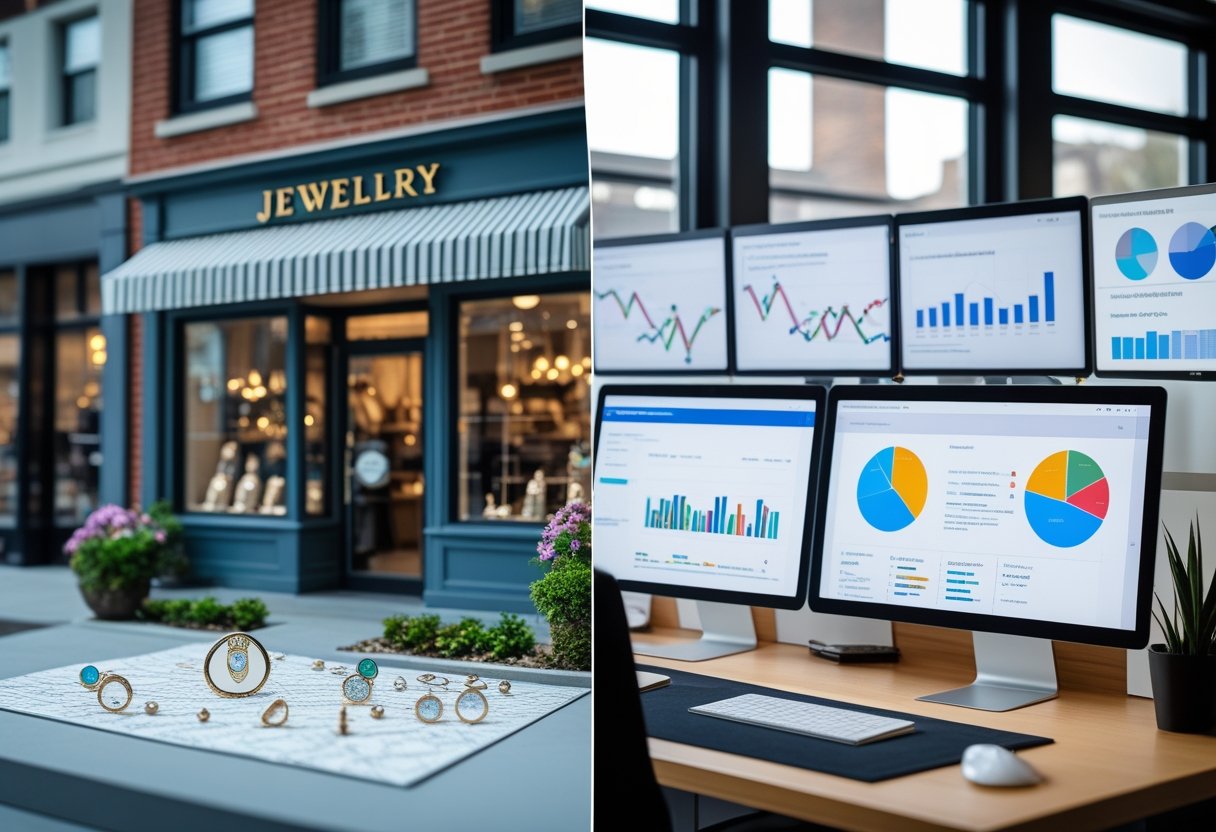
General SEO practices prioritize broad visibility and higher overall traffic volumes, which can benefit large-scale or online-only retailers. However, jewelry stores often rely on personalized service and in-person sales, meaning local SEO must integrate listings, local keywords, and community presence. This targeted content approach improves search rankings within a specific area, ensuring customers find them when it matters most.
Effective content strategies for jewelry stores combine traditional SEO elements with localized signals like Google My Business and localized reviews. By adjusting content to reflect local trends and customer behavior, they can outperform competitors using generic SEO methods. Understanding these variations helps jewelry stores allocate resources smartly and maximize their marketing impact.
Key Takeaways
- Local SEO for jewelry stores targets geographic relevance to increase nearby customer visits.
- General SEO emphasizes broad reach but may miss critical local search nuances.
- Combining local keywords and community signals enhances search performance for brick-and-mortar stores.
Understanding Core SEO Principles

SEO depends on practices that optimize page content, website infrastructure, and authority signals. Effective SEO balances these elements to improve visibility and ranking across search engines.
On-Page SEO Essentials
On-page SEO focuses on optimizing individual pages to rank higher. Key elements include keyword placement in titles, headers, and throughout the body text, which must align with user search intent.
Meta descriptions and title tags must be clear, concise, and contain primary keywords. URL structure should be simple and relevant.
Internal linking helps distribute page authority and guides visitors to related content. Optimizing images with alt text improves accessibility and can boost search relevance.
Technical SEO Foundations
Technical SEO ensures a website is crawlable and functions well. Site speed is important; slow loading times reduce rankings and user experience.
Mobile friendliness is a ranking factor, so responsive design is critical. Structured data helps search engines understand content context, aiding rich snippets.
Fixing errors like broken links, duplicate content, and improper redirects prevents ranking penalties. XML sitemaps and robots.txt guide search engines on what to index or avoid.
Content Quality and E-E-A-T
Google values content that demonstrates Experience, Expertise, Authoritativeness, and Trustworthiness (E-E-A-T). Content should be accurate, well-researched, and written by credible sources.
Depth matters: comprehensive coverage of topics improves ranking potential. Avoid keyword stuffing or thin content.
User engagement metrics like time on page and bounce rate influence perceived content quality. Visuals and organized formatting enhance readability and user retention.
Local SEO Strategies for Jewelry Stores

Jewelry stores must focus on visibility within specific geographic areas where potential customers are likely to visit or make purchases. Optimizing local listings, targeting location-specific keywords, managing customer feedback, and creating geography-focused content are essential steps to boost local search rankings and attract relevant traffic.
Google Business Profile Optimization
A well-optimized Google Business Profile (GBP) is crucial for jewelry stores to appear prominently in local search results and Google Maps. Key elements include ensuring the store’s name, address, and phone number (NAP) are accurate and consistent across all platforms. Adding high-quality photos of the store, jewelry pieces, and staff enhances trust and engagement.
Jewelry stores should regularly update business hours, special offers, and seasonal events in the profile. Utilizing Google Posts to announce promotions or new collections helps maintain visibility. Responding promptly and professionally to customer questions and reviews within the GBP also improves local search ranking and customer perception.
Local Keyword Targeting
Targeting keywords that combine product types with geographic modifiers is critical. For instance, phrases like “engagement rings in [City]” or “custom jewelry near me” align content with local search intent. Keyword research should involve tools like Google Keyword Planner and local competitors’ analysis.
Keyword placement must appear naturally in page titles, meta descriptions, headers, and content, focusing on relevance for location-specific buying behaviors. Jewelry stores also benefit from creating dedicated landing pages for different product types or services paired with local terms to capture various search queries effectively.
Managing Reviews and Local Citations
Reviews influence both ranking and consumer trust for jewelry stores. Actively encouraging satisfied customers to leave reviews on Google, Yelp, and niche platforms like WeddingWire increases credibility. Timely and courteous responses to all reviews, whether positive or negative, demonstrate customer care.
Consistent local citations—mentions of the store’s NAP on local directories, chambers of commerce, and industry-specific listings—help validate the business’s existence and location to search engines. Creating a checklist to monitor and update citation accuracy regularly prevents confusion and duplicate listings.
Leveraging Localized Content
Creating content that connects with the local community enhances engagement and relevance for search engines. Jewelry stores can publish blog posts about local events, collaborations with area artisans, or guides to wedding venues in the region. Highlighting local trends and cultural preferences tailors the message to the audience.
Using localized keywords within blogs, FAQs, and service descriptions further supports SEO efforts. Including maps, location-based testimonials, or case studies about local customers underlines the store’s deep roots in the community and builds stronger brand affinity.
Contrasting Local SEO With General SEO Practices
Local SEO focuses on capturing nearby customers, while general SEO targets a broader and often global audience. The approaches to audience targeting, link building, and content personalization vary significantly between the two strategies.
Audience Targeting Differences
Local SEO targets users based on geographic location. It prioritizes search queries that include city names, landmarks, or terms like “near me.” For jewelry stores, this means optimizing for customers actively searching within their immediate area who are ready to visit or order locally.
General SEO targets a wider demographic without strict location filters. It focuses on driving traffic through broad keywords related to industry trends, product types, or informational content. This attracts users from various regions or countries, often in earlier stages of the buying process.
Local SEO also relies heavily on Google My Business and local directories to appear in map results. General SEO may focus more on organic rankings across multiple search engines without emphasizing local listings.
Link Building Approaches
Local SEO link building emphasizes acquiring backlinks from local businesses, chambers of commerce, community pages, and local news sites. These links enhance the jewelry store’s authority within a specific geographic area and help improve local search rankings.
General SEO link building aims to earn links from high-authority sites regardless of location. This might include industry publications, influencers, or widespread platforms that boost overall domain authority but do not confer localized relevance.
The local approach often involves partnerships, sponsorships, or events that naturally generate geographic-specific backlinks. In contrast, general SEO link acquisition revolves around content marketing, guest blogging, and digital PR targeting niche sites with strong domain authority.
Content Personalization Techniques
Content in local SEO is tailored toward community interests, local events, or location-specific promotions. Jewelry stores may publish customer testimonials from local clients, highlight store events, or blog about regional fashion trends to create relevance for nearby users.
General SEO content focuses more on informational or industry-wide topics like jewelry care tips, style guides, or product comparisons. This content aims to attract a larger audience and drive engagement regardless of physical location.
Local SEO content often includes localized keywords naturally embedded in titles, descriptions, and body text. General SEO content depends more on search intent and broad keywords that appeal to a national or international market.
Measuring Success and Adjusting Content Strategy
Effective evaluation relies on precise ranking data and detailed user behavior insights. These elements help identify what is working and where to refine efforts, ensuring targeted improvements.
Tracking Local and Organic Rankings
Tracking local SEO rankings requires monitoring specific geographic keywords that jewelry stores target. Tools like Google My Business Insights and BrightLocal provide data on visibility in local search results, map pack rankings, and review performance.
For general SEO, broader keyword tracking through platforms like SEMrush or Ahrefs can measure improvements in organic search positions across multiple queries.
It is essential to compare rankings over time, focusing on keywords that drive quality traffic. Tracking local competitor performance also informs adjustments aimed at capturing nearby customers.
Consistent monitoring uncovers trends, such as ranking drops caused by algorithm changes or new competitors, enabling timely responses.
Analyzing User Behavior Data
User behavior data from Google Analytics and heatmap tools reveal how visitors interact with a jewelry store’s website. Metrics like bounce rate, time on page, and conversion rates show if content engages and drives sales.
Segmenting data by location clarifies whether local visitors engage differently from a broader audience, highlighting the need for tailored content.
Tracking the success of local calls to action, like store visit requests or local event sign-ups, signals effectiveness beyond basic traffic metrics.
Analyzing pathways users take can identify content gaps or confusing navigation, guiding practical content enhancements to improve user experience and SEO results.
Frequently Asked Questions
Local SEO for jewelry stores requires precise attention to location-specific elements, structured data, and targeted keywords. Maintaining accurate business information across platforms and leveraging reviews significantly influences search rankings.
How can jewelry stores optimize their website for local search?
They should include city and neighborhood names in titles, meta descriptions, and content. Creating location-specific landing pages and using schema markup for business details helps search engines understand their geographic relevance.
What local SEO tactics are most effective for brick-and-mortar jewelry retailers?
Claiming and optimizing Google Business Profile listings is critical. Ensuring NAP (Name, Address, Phone number) consistency and encouraging in-store customers to leave reviews also improves local visibility.
In what ways does citation consistency impact local SEO for jewelry stores?
Consistent citations across directories and websites build search engine trust. Inaccurate or conflicting information can confuse algorithms, leading to lower rankings or less prominent local pack placement.
Which online directories are crucial for jewelry stores to be listed in for local SEO?
Google Business Profile, Yelp, Bing Places, and industry-specific directories like The Knot or WeddingWire are essential. Local chamber of commerce and tourism-related listings can also boost local search presence.
How important are customer reviews in local SEO for a jewelry business?
Reviews influence search rankings and consumer trust. Frequent, positive feedback with relevant keywords and timely responses signals strong local engagement to search engines.
What role do social media platforms play in the local SEO strategy for jewelry stores?
Social media supports brand awareness and encourages customer interactions that can lead to citations and backlinks. Platforms like Instagram and Facebook help target local audiences with region-specific content and promotions.

Guy has been building websites and helping companies online for over 15 years. He has worked in the jewelry industry for close to 30 years now. As the CEO of Jewelry Store Marketers, Guy leads the company to provide excellent services in website design and development, search engine optimization and more.


