


How-to Tutorials for Jewelry: Mastering Techniques for Stunning Designs
Learning to create jewelry can be a rewarding and enjoyable experience. From simple beaded pieces to intricate metal designs, the possibilities are endless for those looking to explore their creativity. This guide provides practical how-to tutorials that will empower anyone to start their jewelry-making journey with confidence.
Understanding essential tools and materials is crucial for successful jewelry making. With the right equipment and techniques, anyone can craft beautiful pieces that reflect their personal style. By following the tutorials provided, readers will gain the skills needed to bring their imaginative designs to life.
As creativity flourishes, so does the need for effective planning and finishing touches. Readers will find valuable tips on presenting their creations effectively. Completing a piece with care adds professionalism and can truly enhance its beauty.
Key Takeaways
- Essential tools and materials are fundamental for beginners.
- Basic techniques enable the creation of diverse jewelry styles.
- Proper finishing elevates the overall appearance of handmade pieces.
Essential Tools and Materials

Choosing the right tools and materials is crucial for successful jewelry-making. This section discusses the key tools needed as well as tips for selecting quality materials that enhance the final product.
Choosing the Right Tools
The essential tools for jewelry-making include:
- Pliers: Different types, such as chain-nose, round-nose, and flat-nose pliers, serve specific functions. Chain-nose pliers help with gripping and bending wire, while round-nose pliers are ideal for creating loops.
- Wire Cutters: A strong pair of wire cutters is necessary for cutting metal wire cleanly and effectively.
- Beading Mat: This prevents beads from rolling away and offers a soft surface to work on.
Each tool plays a significant role in ensuring precision and artistry. Investing in quality tools improves durability and makes the crafting process smoother.
Selecting Quality Materials
Quality materials enhance the overall look and longevity of jewelry. Key considerations include:
- Gemstones: Look for clarity, cut, and color. Natural stones come with unique characteristics that can add value.
- Metals: Sterling silver, gold, and stainless steel are preferred for their durability and aesthetic appeal. Consider the alloy used, as it affects hypoallergenic properties.
Procuring materials from reputable suppliers ensures authenticity and consistent quality. A thorough evaluation of both appearance and composition is essential for creating stunning pieces.
Basic Jewelry Making Techniques
This section covers essential skills for jewelry making, including cutting and shaping materials, wire wrapping techniques, and the basics of soldering. Mastery of these skills is crucial for creating beautiful and durable pieces.
Cutting and Shaping
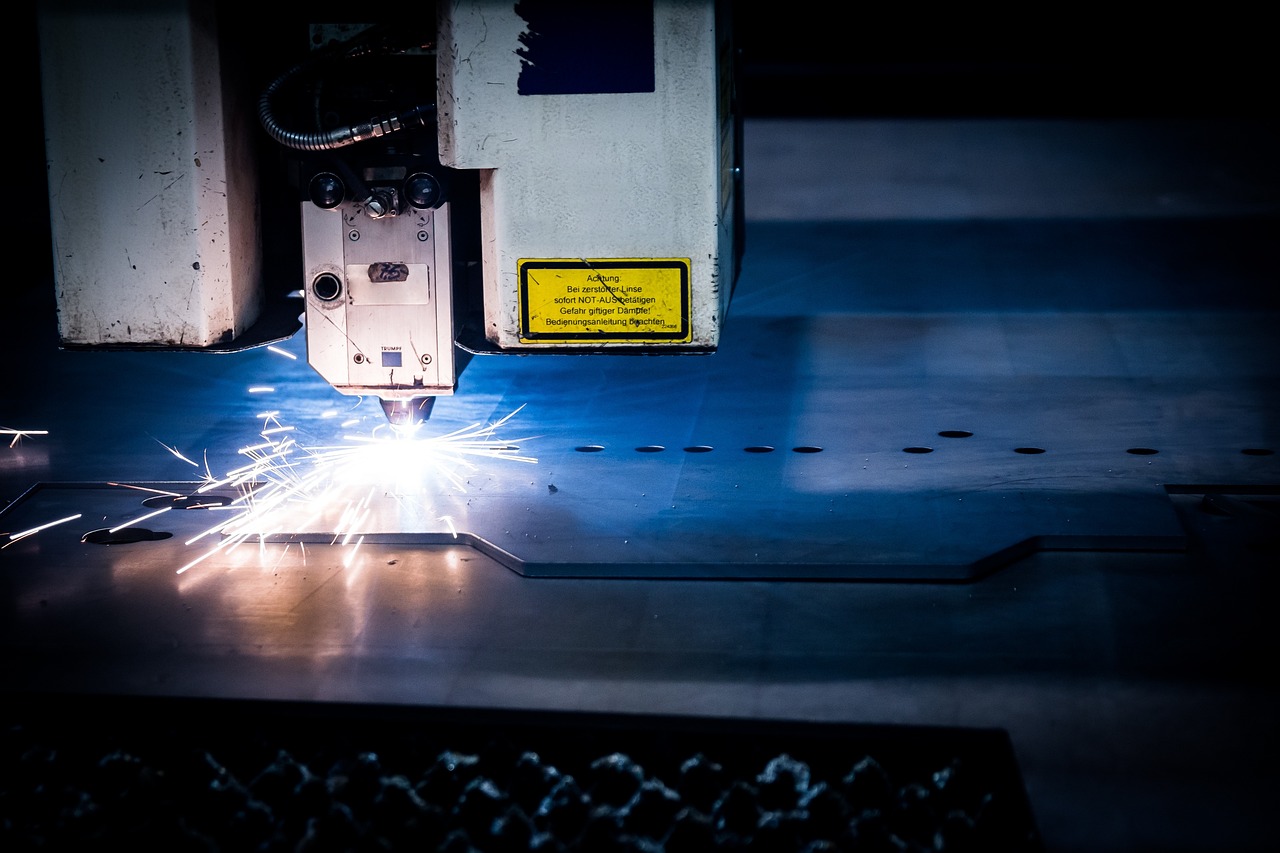
Cutting and shaping materials is fundamental in jewelry making. Proper tools include jewelry saws, shears, and files. Jewelers should choose materials like metal, glass, or beads and understand the properties of each.
To cut metal, a jeweler should secure it in a vise and use a saw to create precise lines. After cutting, shaping can be done by using files or hammers to refine the edges and achieve the desired contours.
The use of templates can enhance accuracy. Precision in this phase ensures that all pieces fit together properly, establishing a solid foundation for the jewelry.
Wire Wrapping Fundamentals
Wire wrapping is a versatile technique that adds artistry and structure to jewelry. The primary materials used are beading wire or craft wire, generally between 20 and 30 gauge. Basic tools include round-nose pliers, chain-nose pliers, and wire cutters.
To start wire wrapping, a jeweler must create a loop at one end of the wire. This involves bending the wire around the pliers, forming a secure anchor. The wire can then wrap around beads or stones, with multiple loops providing stability.
Consistent tension and neat loops enhance the aesthetic of the piece. Practicing various wrapping styles, such as a simple twist or more complex designs, enables greater creativity and skill development.
Introduction to Soldering
Soldering is a vital technique for joining metal parts in jewelry. It requires a torch, soldering flux, and solder. Safety gear such as goggles and heat-resistant surfaces is essential.
To solder, first, clean the metal surfaces to remove dirt or oxidation. Apply soldering flux to the areas being joined; this prevents oxidation during heating. Position the solder and apply heat until it flows into the joint.
Precision and control are crucial for successful soldering. Practice on scrap material allows for skill enhancement before working on valuable pieces. Proper soldering results in strong, seamless joints essential for durability.
Design and Planning
Effective design and planning are crucial steps in creating successful jewelry. This process begins with visualizing the final piece and understanding the role of color in impact and appeal.
Sketching Your Design
Sketching is an essential first step in the jewelry design process. It allows the designer to translate ideas into visual forms, providing a reference throughout the creation. Designers often start with rough sketches, focusing on the shape, size, and arrangement of elements.
A clear sketch includes details such as stones, metal types, and overall dimensions. It might also incorporate annotations to highlight specific features or materials. Using tools like graph paper can help maintain proportions, while digital design software offers precision and versatility in exploring 3D aspects.
Creating multiple iterations of sketches can refine the concept and lead to innovative ideas. This dynamic approach helps identify the best attributes for the final design.
Color Theory in Jewelry Making
Color theory plays a significant role in jewelry design, influencing the emotional response of the viewer. Understanding color relationships can aid in selecting the right combinations to evoke desired feelings.
Color wheel basics involve primary, secondary, and tertiary colors. Designers often use complementary colors for striking contrast or analogous colors for harmony.
For gemstones, being aware of properties like transparency and reflectivity can affect how colors appear in different lighting conditions. Additionally, considering the client’s skin tone may help ensure that the jewelry enhances their aesthetic.
Overall, a thoughtful application of color enhances not only the design but also the wearer’s experience.
Finishing and Presentation
The finishing touches and presentation of jewelry are crucial for both aesthetics and branding. Attention to detail in polishing and packaging can enhance the perceived value and appeal of the final product.
Polishing and Cleaning
Proper polishing and cleaning can elevate the appearance of jewelry significantly. Different materials require specific techniques:
- Metal: Use a soft cloth for polishing metals like silver, gold, or brass. Specialty polishing compounds can remove tarnish and scratches.
- Gemstones: Cleaning typically involves a gentle soap solution, while harder stones like diamonds may require ultrasonic cleaning.
- Beads and Findings: Ensure that any beads or findings are free from fingerprints and dust. Use a microfiber cloth for delicate cleaning.
Regular maintenance of tools and supplies is also necessary to achieve optimal results. Properly storing polishing materials prevents contamination and preserves effectiveness.
Packaging and Branding
Effective packaging is essential for creating a memorable brand experience. Jewelry packaging should be both functional and aesthetically pleasing to enhance the customer’s unboxing experience.
Consider using:
- Boxes: High-quality, durable boxes reflect the product’s value. Custom designs can reinforce brand identity.
- Filler: Use materials like tissue paper or cotton to protect the jewelry and add a touch of elegance.
- Labels: Professional labels or tags with branding details provide important information and create a cohesive look.
Incorporating branded elements in packaging can lead to increased customer loyalty and positive word-of-mouth, making presentation an integral part of the jewelry-making process.
Frequently Asked Questions
Jewelry making can be an enjoyable and rewarding craft. Many aspiring jewelers often have questions about tools, techniques, resources, and safety measures.
What are the essential tools and materials needed to start making jewelry at home?
To start making jewelry at home, essential tools include pliers (flat nose, round nose, and wire cutters), a bead board or mat, and a craft knife. Materials such as beads, wire, stringing materials, and findings (like clasps and jump rings) are also necessary. A good work surface and lighting can enhance the experience.
How do I master the fundamental techniques of jewelry making for beginners?
Beginning jewelers should focus on techniques like stringing beads, using wire to make loops, and basic knotting. Learning to work with different materials, such as wire and resin, will also help. Online tutorials and local workshops can provide hands-on learning experiences.
Can you recommend some valuable resources for learning to make jewelry, including bracelets?
Books, online courses, and YouTube channels are excellent resources for jewelry making. Websites like Skillshare and Udemy offer structured courses. Local craft stores often host workshops that focus on specific types of jewelry, such as bracelets.
What steps should I take to advance from a beginner to an intermediate level in jewelry making?
To advance, jewelers should practice consistently and challenge themselves with more complex projects. Learning new techniques, such as metalworking or soldering, can also help. Joining jewelry-making groups or forums can provide support and inspiration.
Where can I find step-by-step guides for creating various types of jewelry?
Step-by-step guides can be found in books dedicated to jewelry making, as well as on crafting websites and blogs. Social media platforms like Pinterest and Instagram often feature detailed tutorials. Online marketplaces and craft forums can also have user-generated guides.
What are some good practices to ensure safety and efficiency while making jewelry at home?
Ensuring a clean and organized workspace promotes safety. Using protective eyewear and gloves when working with tools and chemicals is advisable. Regularly maintaining tools and taking breaks during long sessions can enhance both safety and efficiency in the process.

Guy has been building websites and helping companies online for over 15 years. He has worked in the jewelry industry for close to 30 years now. As the CEO of Jewelry Store Marketers, Guy leads the company to provide excellent services in website design and development, search engine optimization and more.


